

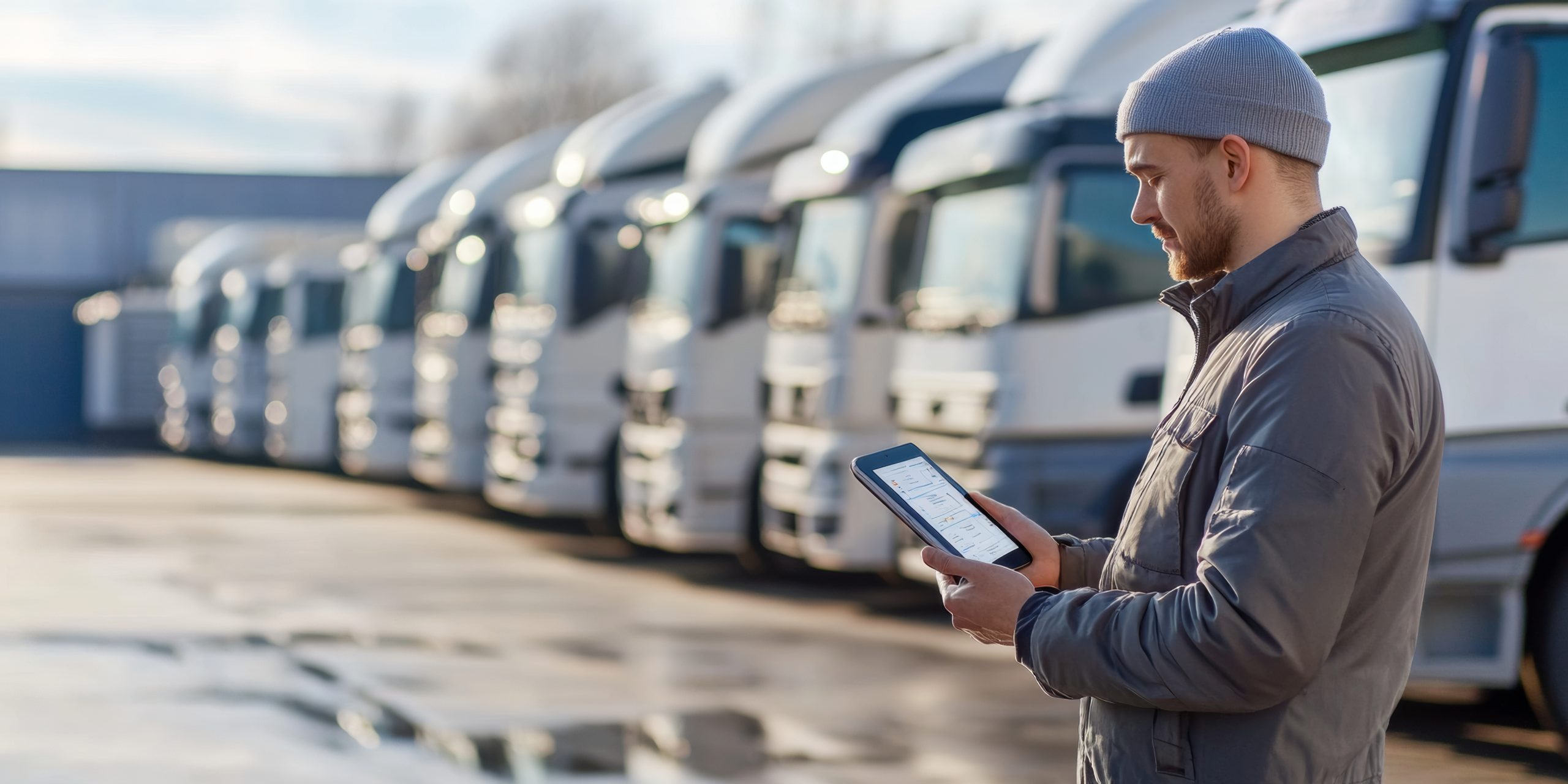
Today’s article explores how fleet telematics is revolutionizing the logistics industry by significantly reducing fuel costs and enhancing driver safety. By leveraging real-time vehicle data, fleet managers can optimize routes, detect risky driving behaviors, reduce downtime, and ultimately improve their bottom line. With measurable ROI and scalable benefits, telematics is no longer a luxury—it’s a necessity for smart fleet operations. Whether you’re managing 10 or 1,000 vehicles, the insights from this article will help you drive smarter and spend less.
The Twin Pillars of Fleet Success—Fuel Efficiency and Driver Safety
Managing a modern fleet isn’t just about keeping vehicles on the road—it’s about running an operation that is both cost-efficient and safe.
In today’s volatile economic landscape, fleet managers are constantly juggling two of the most pressing challenges: reducing fuel costs and ensuring driver safety. These are not merely desirable objectives; they have a direct impact on a company’s financial performance.
Enter telematics. This technology has revolutionised fleets of all sizes by providing managers with powerful data insights that enable them to make more informed decisions. By combining GPS tracking, vehicle diagnostics, and driver behaviour monitoring, telematics offers a streamlined approach to achieving fuel efficiency and improving safety records.
In this article, we dive deep into how fleet telematics impacts fuel consumption and driver safety—and most importantly, how these benefits translate into a strong return on investment (ROI). From proactive maintenance to behaviour-based coaching, you’ll see why telematics isn’t just a tech upgrade—it’s a strategic asset.
The Fuel Factor: How Telematics Cuts Unnecessary Costs
One of the most significant expenses for any fleet management organisation is fuel, which can take up to 30% of the operating budget. Telematics offers a powerful solution by delivering real-time visibility of how fuel is consumed across the fleet. With data on everything from route efficiency to engine idle times, managers can make informed adjustments that result in immediate savings.
One of the most impactful tools telematics offers is route optimisation. By analysing traffic conditions, delivery schedules, and vehicle proximity, telematics systems recommend the most fuel-efficient routes. The result eliminates unnecessary mileage and reduces time spent in traffic, which in turn cuts down on fuel usage.
Additionally, telematics detects fuel-wasting behaviours, such as excessive idling, aggressive acceleration, and unauthorised vehicle use. Fleet managers can monitor these metrics daily and coach drivers on better habits, which saves fuel and reduces engine wear. For instance, a fleet with 50 vehicles could save hundreds of gallons of fuel each month by cutting idling by just 15 minutes per vehicle per day.
Fuel theft, a growing concern in certain regions, is also tackled with telematics. By cross-referencing fuel card transactions with GPS data, any discrepancies become immediately noticeable, allowing for quick investigation.
Over time, these small changes add up to substantial savings. The result? The result is a fleet that is leaner, greener, and more cost-efficient.
Safe Driving with Smart Tech: Protecting People and Profits
Driver safety isn’t just a matter of ethics—it’s a financial imperative. Accidents cost fleets thousands in repairs, insurance hikes, legal fees, and downtime. Telematics helps mitigate these risks by providing visibility into driver behaviour and enabling proactive safety management.
At the heart of this system is behavioural tracking. Telematics records speeding, hard braking, cornering, and other risky driving patterns. This data allows managers to create driver scorecards and deliver personalised coaching sessions. When safety incentives or bonuses are associated with their performance, drivers become more conscious of their habits and feel motivated to improve.
Furthermore, consistent monitoring builds a culture of accountability. When drivers know their behaviour is being tracked, they are more likely to adhere to the company’s policies and road safety rules. This reduces accident rates and strengthens the company’s reputation for safety.
Another often overlooked benefit is lower insurance premiums. Many insurance providers offer discounts for fleets equipped with telematics due to the reduced risk of claims. Some even offer usage-based insurance models where safer driving directly translates to lower costs.
Ultimately, safer drivers mean fewer accidents, less downtime, and more confidence on the road—a win for both people and profits.
- AI on Fleet Safety and Operational Efficiency
- How Telematics Can Reduce Risky Driving Behaviours in Your Fleet
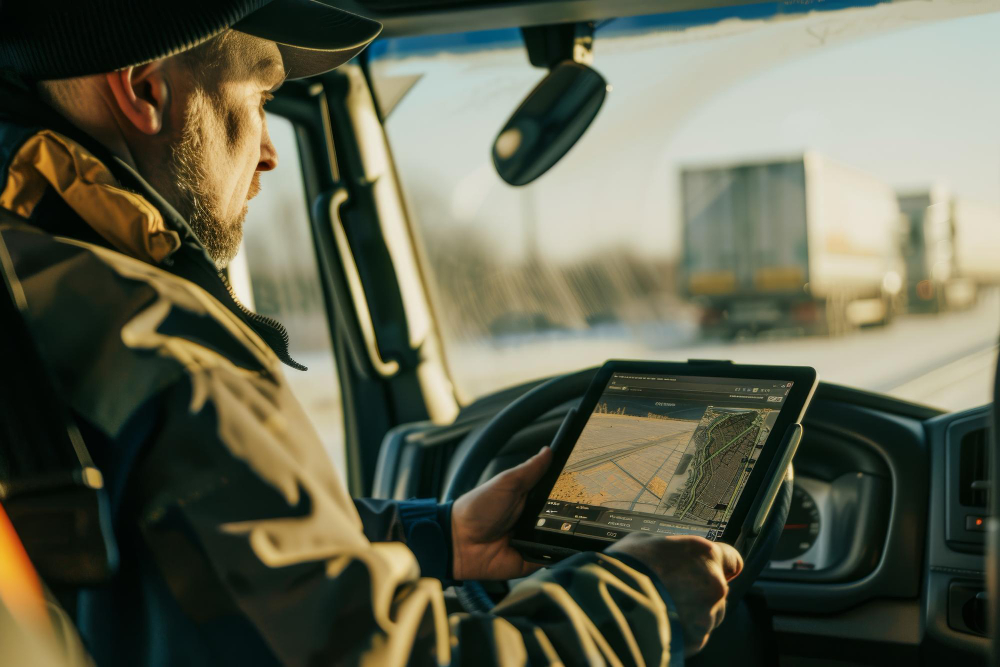
The ROI Breakdown: Numbers That Make Sense
Fleet telematics might require an upfront investment, but the returns far outweigh the initial costs. Understanding the financial impact of this technology means looking at both direct and indirect savings.
Directly, telematics reduces fuel usage, cuts maintenance costs through proactive scheduling, and decreases accident-related expenses. Indirectly, it improves customer satisfaction by ensuring on-time deliveries; it reduces admin time through automated reporting; and it boosts employee morale through incentive programmes tied to safety metrics.
- According to Verizon Connect 2025 Fleet Technology Trends Report, fleets using video telematics experience multiple benefits such as improved protection from false claims, reduced accident costs, and reduced insurance costs.
- Geotab’s ROI calculator suggests that fleet managers saw ROI in as little as six months after implementing a telematics solution.
For example, a mid-size fleet of 100 vehicles reducing fuel consumption by just 10% could save over $100,000 annually, depending on fuel prices. When paired with fewer insurance claims and more efficient dispatching, the financial benefits are undeniable.
This isn’t just cost-cutting—it’s smart investment. Fleet managers who leverage telematics effectively can expect strong and compounding returns year after year.
Bottom line: Drive Smarter, Spend Less—The ROI That Keeps on Giving
Fleet telematics isn’t just a dashboard full of numbers; it’s a toolkit for sustainable growth. From slashing fuel costs to transforming driver safety programmes, the ROI of telematics is clear, measurable, and ongoing. Ongoing technological advancements further enhance the capabilities of fleet telematics, allowing businesses to harness data for predictive maintenance and improved route optimisation. As companies increasingly prioritise sustainability, the insights gleaned from Telematics will play a pivotal role in shaping eco-friendly practices and driving operational efficiencies.
However, the reliance on telematics can lead to an overemphasis on data-driven decision-making, potentially sidelining human intuition and experience in fleet management. This shift towards data-centric strategies may inadvertently diminish the value of human judgement, which is essential for navigating complex situations that data alone cannot fully address.
Balancing analytical insights with experiential knowledge is crucial for effective fleet management. This balance ensures that while data informs decisions, the nuanced understanding and adaptability of human operators remain integral to addressing the unpredictable challenges that arise in fleet management. By integrating both elements, organisations can optimise their operations while still valuing the insights gained from their experience.
Additionally, the initial investment and ongoing costs associated with implementing such technology may not always guarantee immediate returns, particularly for smaller businesses facing budget constraints. Therefore, it is essential for these organisations to carefully evaluate their specific needs and weigh their potential benefits against the costs involved. By doing so, they can make informed choices that align with their long-term goals and operational capabilities. For new and experienced fleet managers alike, this technology offers a roadmap to more efficient, safer, and cost-effective operations. And with rising fuel costs and increasing pressure for compliance and safety, there’s no better time to adopt a telematics-driven strategy.
Ready to take the next step? Explore telematics platforms that align with your business goals and start measuring your ROI. Because when your fleet drives smarter, your business thrives faster. Contact Hexicor to learn more about our tailored solutions and how they can revolutionise your operations. Together, we can enhance efficiency and unlock new growth opportunities for your fleet.
Common FAQs about ROI of Fleet Telematics
What is fleet telematics, and how does it work?
- Fleet telematics uses GPS, sensors, and onboard diagnostics to track vehicle movements, fuel usage, and driver behaviour in real time. This data helps managers optimise fleet performance.
Can telematics really help reduce fuel costs?
- Yes. By identifying inefficient routes, excessive idling, and poor driving habits, telematics allows managers to make adjustments that significantly cut fuel expenses.
How does telematics improve driver safety?
- Telematics tracks risky driving behaviours such as speeding or hard braking. With this information, managers can coach drivers and create safety incentive programmes.
4.What kind of ROI can I expect from using telematics?
- Fleets typically see ROI within 6–12 months through savings in fuel, insurance, maintenance, and improved efficiency.
Is fleet telematics difficult to implement?
- Most modern telematics systems are plug-and-play with user-friendly interfaces. Vendors also provide onboarding support to ensure a smooth rollout.