

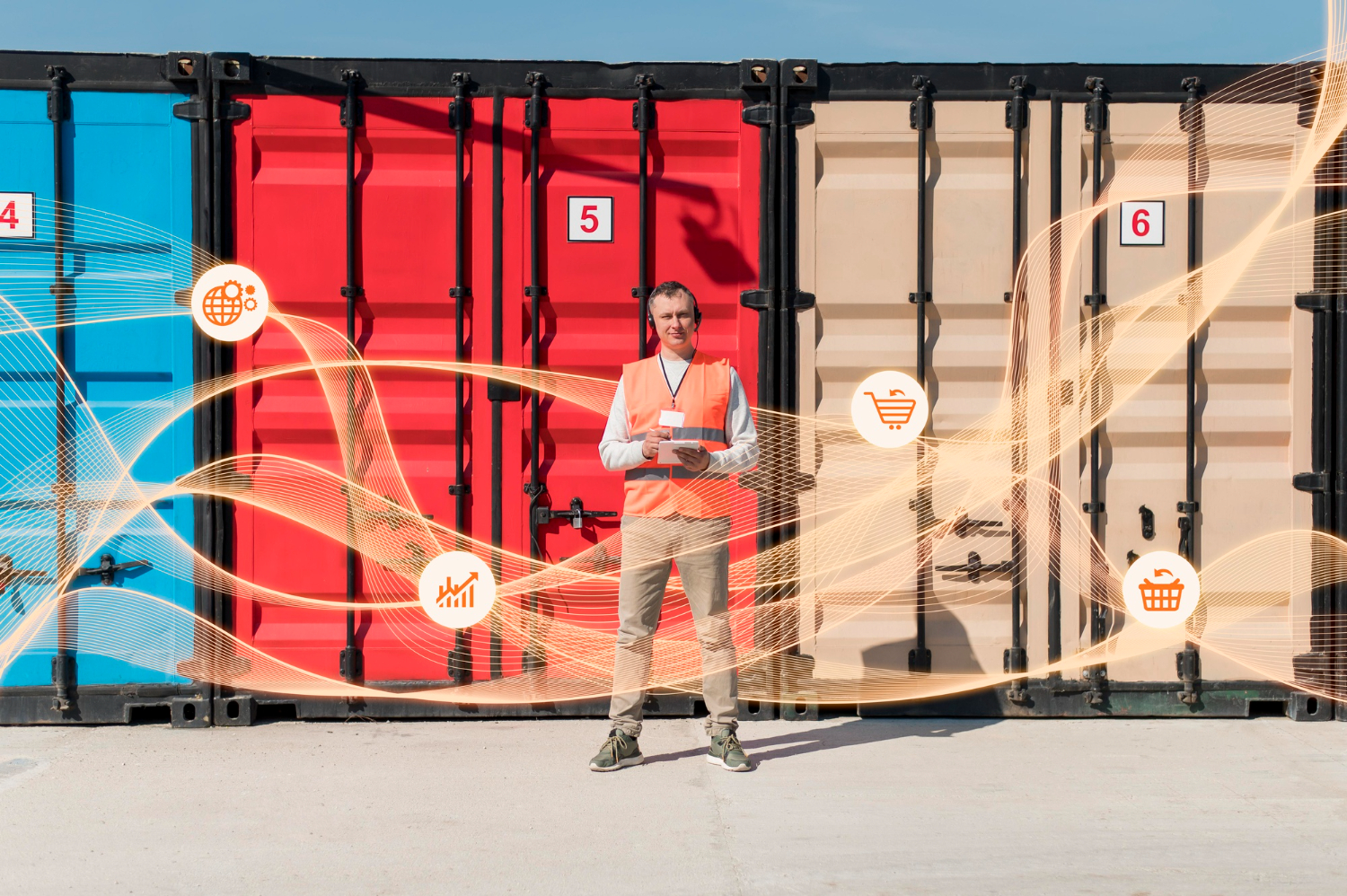
AI is transforming fleet management by enhancing safety and operational efficiency. From driver behaviour monitoring and collision avoidance to predictive maintenance and route optimisation, AI technologies are enabling safer, more efficient fleet operations. This article explores the impact of Artificial Intelligence (AI) on fleet management, focusing on its role in improving safety, optimising routes, and reducing emissions.
Understanding AI in Fleet Management
AI has swiftly moved from being a futuristic concept to becoming a transformative force across numerous industries, reshaping how businesses function and thrive. In fleet management, AI has proven to be more than just a technological trend—it’s a critical enabler of progress. Fleet managers face unique challenges balancing safety, efficiency, and cost-effectiveness. AI-powered solutions address these challenges with unprecedented precision and foresight.
AI’s role in fleet management goes far beyond automation. It offers actionable insights derived from real-time data, enabling managers to make informed decisions that boost productivity while minimising risks. Safety is no longer reactive but proactive, with AI predicting maintenance needs, identifying driver behaviour patterns, and mitigating potential hazards before they escalate. This not only protects valuable human and vehicle assets but also fosters a culture of accountability and continuous improvement.
Operational efficiency has reached new heights as AI streamlines processes like route optimisation, fuel consumption monitoring, and vehicle diagnostics. These advancements reduce downtime, enhance resource allocation, and drive significant cost savings—benefits that directly impact a business’s bottom line. Moreover, AI’s ability to integrate seamlessly with existing systems ensures that fleet operations remain agile and adaptable to evolving industry demands.
In an era where reliability and sustainability are key differentiators, AI equips managers with the tools to elevate their operations. It empowers businesses to stay ahead of regulatory changes, customer expectations, and environmental concerns. This makes fleets not only more efficient but also aligned with modern priorities. As AI continues to evolve, its potential in fleet management is boundless, promising a future where safety, efficiency, and innovation work hand in hand to transform the industry.
Benefits of AI in Enhancing Fleet Safety and Improving Operational Efficiency
AI in fleet management leverages machine learning algorithms, data analytics, and real-time monitoring to analyse vast amounts of data and make intelligent decisions. Fleet managers can perform tasks more efficiently, reduce expenses, and improve fleet safety standards by using AI to automate procedures and provide actionable information.
AI’s capabilities can prevent risky driving behaviours, lower accident rates, and improve fleet compliance with safety standards. AI systems monitor driver behaviour, detect signs of fatigue, and provide alerts, helping reduce accidents and maintain a safer fleet. On the other hand, AI-powered systems streamline processes like route planning, fuel consumption monitoring, and predictive maintenance, ensuring fleets run smoothly and economically. By optimising routes and fuel use, AI helps lower operational costs and enhances productivity.
Current Use Cases of AI in Fleet Management
- Predictive Maintenance – AI analyses data from vehicle sensors and historical maintenance records to predict when maintenance should be performed. This proactive approach reduces unplanned downtime and repairs, ultimately saving costs and extending vehicle lifespan.
- Route Optimisation – AI algorithms are used to determine the most efficient routes for drivers, considering real-time traffic conditions, weather patterns, and historical data. This results in reduced fuel consumption, quicker deliveries, and improved productivity.
- Driver Behaviour Monitoring – AI systems monitor and analyse driver behaviours, such as acceleration, braking, and cornering. By providing real-time feedback to drivers, these systems encourage safer driving habits and help reduce accident rates.
- Fuel Management – Through continuous monitoring and analysis of fuel consumption patterns, AI can identify inefficiencies and suggest operational changes to optimise fuel usage. This leads to significant cost savings and a greener operational footprint.
- Telematics Integration – AI enhances telematics systems by processing vast amounts of data generated from vehicles. It provides actionable insights regarding vehicle health, performance, and driver efficiency, enabling better decision-making.
- Fleet Tracking and Asset Management – AI integrates with GPS and IoT devices to provide real-time fleet tracking, enhancing security and operational oversight. Geofencing technologies can alert fleet managers if vehicles deviate from scheduled routes.
- Demand Forecasting – By analysing historical data and current trends, AI can predict customer demand for transportation services, allowing fleets to adjust their operations accordingly for better resource allocation.
- Dynamic Pricing Models – AI can support dynamic pricing models by analysing market conditions, competitor pricing, and demand fluctuations. This helps fleet operators adjust their prices to remain competitive while maximising profitability.
- Enhanced Customer Insights – By leveraging AI to analyse customer interactions and feedback, fleet operators can gain valuable insights that help improve service offerings, enhance customer satisfaction, and drive loyalty

The Role of AI in Enhancing Fleet Safety
Fleet safety is paramount for both drivers and the business itself. Innovative methods made accessible by AI-powered technology have improved fleet operations monitoring, analysis, and management in previously unattainable ways. AI processes large volumes of data and generates actionable insights. This helps fleet managers mitigate risks and ensure safety.
1. Real-Time Monitoring and Alerts
AI systems continuously monitor vehicle performance and driver behaviour, leveraging data from various sources such as telematics and onboard cameras. This real-time monitoring allows for:
- Immediate Alerts: AI notifies fleet managers of unsafe driving behaviours, such as harsh braking, rapid acceleration, or erratic lane changes, enabling timely intervention to prevent accidents.
- Incident Detection: AI can analyse camera feeds to identify potential incidents, such as collisions or near misses, allowing fleet managers to
respond quickly and effectively. - Pattern Recognition: By identifying consistent patterns of risky behaviour, AI can help pinpoint drivers who may require additional training or intervention to enhance their safety.

AI-powered IQ cameras are the perfect example under this category. They provide real-time insights into both driver behaviour and road conditions. These highly configurable forward and inward-facing AI cameras detect distracted driving, drowsiness, and even emotional stress by analysing facial expressions and movements. By alerting drivers to unsafe conditions or behaviours, IQ cameras significantly contribute to a safer driving environment
If you want more information on how this AI-powered technology can transform your fleet safety and efficiency, get started here.
2. Predictive Analytics for Risk Management
AI utilises predictive analytics to assess potential risks based on historical data, which can dramatically improve safety within fleets. This involves:
- Accident Forecasting: AI can analyse trends in driving behaviour, road conditions, and weather patterns to identify potential safety issues before they arise. By forecasting areas with higher accident risks, fleet managers can take preventive measures.
- Maintenance Predictions: AI systems analyse vehicle data to predict when maintenance is required, ensuring that vehicles are in optimal condition and minimising the likelihood of breakdowns that could lead to accidents.
3. Enhanced Driver Training and Support
AI can significantly improve driver training programmes by providing tailored learning experiences based on individual performance metrics. Key benefits include:
- Targeted Coaching: AI identifies specific areas where drivers may need improvement, allowing for personalised coaching to address weaknesses such as speeding or inattentiveness.
- Simulation Training: Virtual simulations powered by AI provide drivers with a safe environment to practice responses to various scenarios, enhancing their skills without the risk of real-world consequences.
4. Incident Analysis and Continuous Improvement
AI can significantly improve driver training programmes by providing tailored learning experiences based on individual performance metrics. Key benefits include:
- Targeted Coaching: AI identifies specific areas where drivers may need improvement, allowing for personalised coaching to address weaknesses such as speeding or inattentiveness.
- Simulation Training: Virtual simulations powered by AI provide drivers with a safe environment to practice responses to various scenarios, enhancing their skills without the risk of real-world consequences.
5. Automated Compliance and Regulatory Adherence
AI not only aids in preventing incidents but also improves processes post-incident through:
- Real-Time Compliance Monitoring: AI enables fleet managers to ensure adherence to safety standards and regulations, monitoring hours of service, maintenance logs, and vehicle inspections.
- Regulatory Reporting: AI systems can automatically generate reports required by regulatory bodies, reducing the administrative burden on fleet teams and ensuring compliance is maintained.
6. Data-Driven Decision Making
With the tremendous amount of data collected and analysed, AI empowers fleet operators to make informed decisions regarding safety policies and practices. This includes:
- Strategic Risk Assessment: AI analyses safety data to identify root causes of incidents, helping managers design effective safety programmes and policies.
- Fleet Policy Development: Insights derived from AI analytics help shape fleet policies that address safety issues, such as implementing rules against distracted driving or encouraging safe driving incentives.
Improving Operational Efficiency with AI
Operational efficiency is key for profitability, and AI technologies are making fleet operations more streamlined and cost-effective. AI not only enhances day-to-day operations but also sets the stage for long-term strategic improvements in fleet management.
1. Intelligent Route Planning and Optimisation
Route optimisation algorithms analyse factors like traffic, weather, schedules, and vehicle capacity. This AI-driven optimisation reduces fuel consumption, decreases travel time, and increases daily deliveries.
AI systems allocate resources intelligently by assessing vehicle performance and usage. This helps fleets maximise asset utilisation and minimise idle time, ensuring that vehicles are deployed effectively to meet demand.
2. Fuel Optimisation Enhancements
Fuel is one of the highest operational expenses for any fleet, and AI’s role in improving fuel efficiency is vital for reducing operating costs. AI analyses fuel consumption patterns, identifying inefficiencies in driving habits, routes, and vehicle usage. With this data, AI systems can recommend fuel-saving practices and make adjustments to minimise fuel consumption.
AI-based fuel optimisation also involves managing vehicle load and engine performance to ensure optimal fuel use. The resulting cost savings can be substantial, providing fleet operators with more resources to reinvest in safety and efficiency improvements.
3. Dynamic Scheduling and Real-Time Adjustments
AI enables dynamic scheduling by considering multiple real-time variables such as traffic conditions, road closures, weather patterns, and vehicle availability. With dynamic scheduling, fleets can adapt on the go, ensuring that resources are used efficiently and routes are optimised based on current conditions.
For instance, if a driver encounters heavy traffic, the AI system can reroute the vehicle or assign a new task to ensure that delivery schedules remain on track. This adaptability reduces idle time, maximises productivity, and contributes to more efficient resource allocation.
4. Integration with IoT Devices
The integration of AI with Internet of Things (IoT) devices enhances operational efficiency by providing additional data sources and capabilities. IoT sensors on vehicles collect and transmit real-time data, which AI can analyse for actionable insights regarding vehicle health, driver behaviour, and environmental conditions.
AI and IoT together enable the creation of smart fleet applications that help reduce costs related to fuel consumption, maintenance, and labour through more efficient resource management.
5. Data-Driven Decision Support
AI empowers fleet managers with actionable insights derived from vast amounts of data, enhancing decision-making capabilities. AI-driven analytics provide insights into operational performance, cost drivers, and customer trends. Fleet managers can leverage these business intelligence insights to make informed adjustments to strategy and operations.
Additionally, AI systems offer tools for monitoring key performance indicators (KPIs), enabling operators to track efficiency and identify areas for improvement. This ongoing assessment fosters a culture of continuous improvement within the fleet.
Bottom line: AI’s impact on fleet management is undeniable, driving safer, more efficient, and environmentally friendly operations.
In recent years, AI has emerged as a transformative force across numerous industries, redefining how businesses operate and innovate. One sector where AI’s impact is particularly profound is the transportation and logistics industry. Here, AI is not just a buzzword but a practical solution driving measurable results. AI has proven instrumental in enhancing fleet management, offering advanced insights and improving operational efficiency. By reducing operational costs and significantly improving vehicle reliability, AI empowers businesses to optimize their fleet operations.
Fleet operators are facing mounting pressures from rising costs, driver shortages, and stringent safety regulations. AI-powered technologies offer innovative solutions to address these challenges proactively. By leveraging data-driven insights, AI enhances decision-making and ensures fleet vehicles are more reliable than ever. We cannot deny the fact that the integration of AI is transforming traditional fleet operations into a sophisticated ecosystem of interconnected, efficient, and safe systems. This transformation enables businesses to remain competitive in an increasingly fast-paced and demanding market.
As AI technology advances, its applications in fleet management will likely expand further, offering new opportunities for innovation and efficiency. More so, fleet operators that embrace AI-driven solutions today are positioned to lead the way in creating safer, more efficient, and sustainable fleet operations.
Are you ready to take your fleet to the next level? Discover how our AI-powered solutions can improve safety, streamline operations, and boost efficiency in your fleet operations. Contact Hexicor today to learn more about our comprehensive fleet management solutions.
Common FAQs about AI in Fleet Management
What is AI’s role in fleet management?
- AI in fleet management enhances safety, improves operational efficiency, and reduces costs by analysing data to make intelligent, real-time decisions.
How does AI improve fleet safety?
- AI technologies like driver monitoring systems, collision avoidance, and predictive maintenance help prevent accidents and keep vehicles in optimal condition.
Can AI help reduce fuel costs in fleet management?
- Yes, AI uses route optimisation, monitors driving behavior, and provides fuel-saving insights, resulting in reduced fuel consumption.
How can AI help in route optimisation?
- AI-powered algorithms consider real-time data on traffic, weather, and delivery schedules to plan the most efficient routes. This can save time and fuel.
What are the main challenges in implementing AI for fleets?
- Key challenges include high costs, data quality issues, the need for skilled personnel, and ensuring data privacy.