

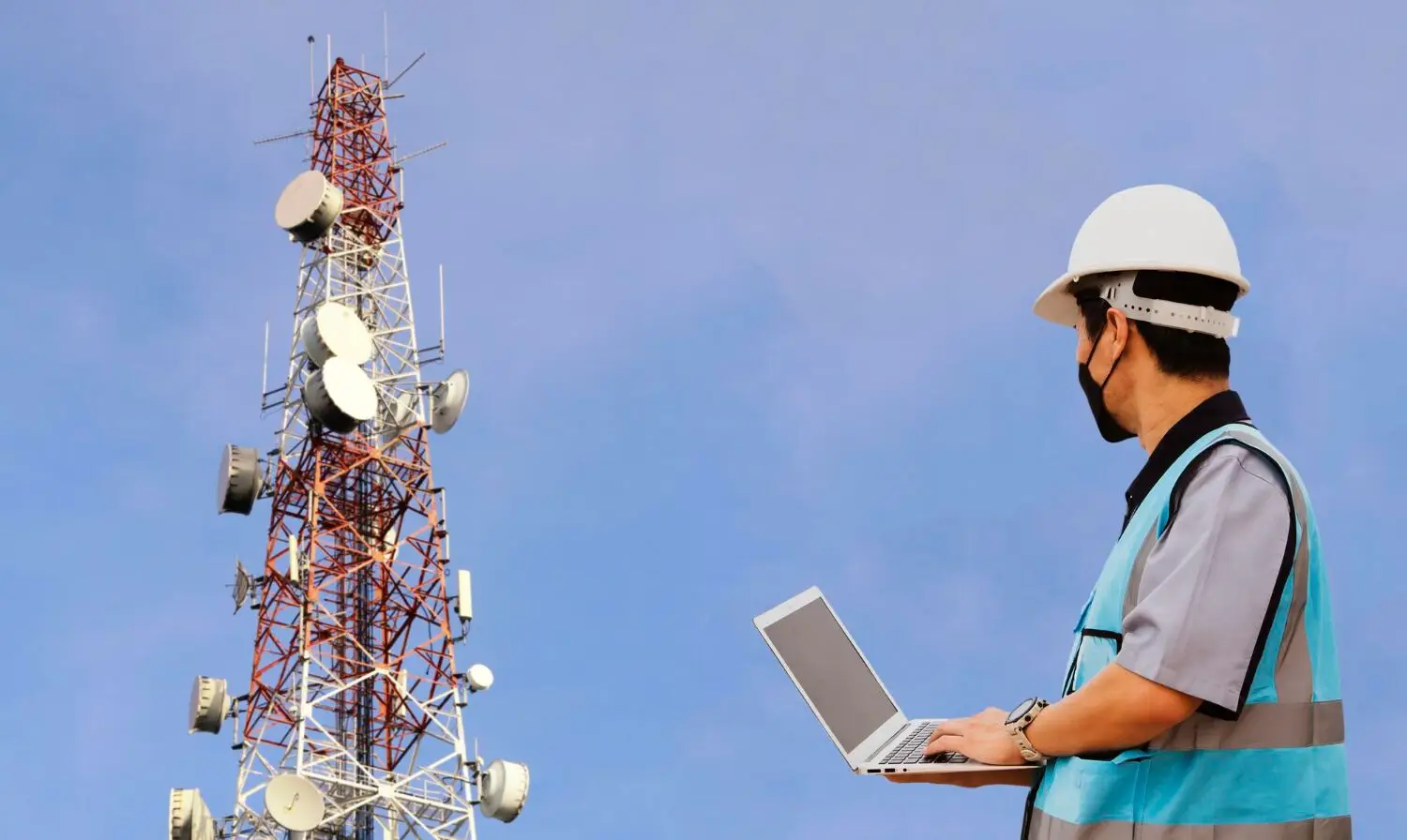
Seamless Migration: A Comprehensive Guide to Navigating the Impending 3G Network Shutdown
The era of 3G network is coming to an end by September 2024.
If you’re wondering how this might affect you and what steps you should take to prepare, this article serves as your guide as to why this is happening, what it means for your business, and how you can gracefully transition to newer network alternatives if you haven’t done so yet.
Understanding 3G Networks
Mobile networks have come a long way in their development, from the first 2G networks that allowed for simple phone calls and text messaging to the revolutionary 3G networks that gave everyone access to the mobile internet.
By providing higher data rates, greater call quality, and internet browsing on mobile devices, 3G networks marked a significant leap in mobile connectivity. The importance of 3G networks has, however, gradually declined as newer, faster networks have arisen.
The 3G network, once groundbreaking, is now facing its own sunset. While the phase-out of older network technologies is an inevitable part of progress, it’s essential to keep up with developments that could impact our daily lives. One such development is the impending shutdown of 3G networks as newer and faster mobile network technologies like 4G and 5G take centre stage.
The Impending Shutdown: Why 3G Networks are Being Phased Out
Whether you’re an individual staying connected with loved ones or a business aiming for seamless operations, preparing for the 3G shutdown will enable you to thrive in an increasingly connected world.
However, you may be wondering why the 3G network is being shut down.
It’s important to note that the shift from 3G to 4G/5G is not limited to a specific region; it’s a global phenomenon. Telecom operators worldwide are transitioning to these newer networks to provide users with improved experiences and meet the demands of the digital age.
The primary reason for phasing out 3G networks is the advancement of technology. Newer networks like 4G and 5G are built using completely different equipment and algorithms to provide not only faster speeds but also enhanced capabilities such as seamless video streaming, low latency, and support for the Internet of Things (IoT).
Australia has transitioned to newer, faster technologies, reducing the demand for the 3G network. For network carriers, this means it’s no longer practical to invest in and support two distinct sets of network infrastructure; thus, the need to shut down older networks to re-farm the spectrum bands.
In simple terms, the decision to sunset 3G networks stems from the need to allocate resources and frequencies to newer, more advanced technologies. The infrastructure required to maintain 3G networks could be better utilised to enhance 4G and 5G capabilities, offering faster speeds, lower latency, and improved overall performance.
Industries at Risk: Impact on Users and Businesses
The ripples of the 3G shutdown in Australia will extend across industries and individuals. The 3G shutdown will affect anyone still relying on 3G networks for communication and internet access. This includes individuals, businesses, and even IoT devices that have been using 3G connections.
- Individuals who are dependent on 3G-only devices for communication and internet access.
- Businesses that are utilising 3G connectivity for point-of-sale systems, tracking, and remote operations.
- Industries such as healthcare and transportation that rely on 3G for crucial applications.
- Providers of IoT devices and services who are still operating on 3G.
- Healthcare providers, utilities, emergency services, and road authorities who are still using 3G-enabled devices.
- 3G-based devices and services such as GPS systems on ambulances, ‘man down’ dongles in care homes, traffic signal systems, and even flood monitoring systems.
The impending 3G shutdown is a significant turning point in the realm of connectivity for both users and businesses. Understanding how the 3G shutdown impacts devices and services is pivotal for informed decision-making throughout the migration process.
What the 3G Shutdown Means for Businesses
The shutdown of 3G networks can have significant implications for a business’s technology ecosystem. For the average user, the 3G shutdown might mean upgrading to a newer device that supports 4G or 5G networks. While 3G-enabled devices will still work on 2G networks (where available), users may experience slower data speeds and limited functionality.
On the other hand, businesses that rely on 3G for communication, point-of-sale systems, or IoT (Internet of Things) devices need to proactively adapt to the changing landscape. This could involve upgrading devices, reconfiguring systems, or migrating to newer technologies.
As 3G networks are phased out in favour of newer technologies like 4G, 5G, and beyond, businesses relying on 3G for their operations may experience several challenges:
- Device Compatibility Challenges
- Communication Disruptions
- Service Interruptions
- Data Connectivity Issues
- Remote Work Challenges
- Security Concerns
- Integration Hurdles
- Increased Costs in Transitioning

Prepare for the 3G Shutdown: How to Equip Your Business
Businesses must take proactive measures to navigate the 3G shutdown and ensure undisrupted operations. Evaluate your current business systems so you can plan and implement the necessary changes to ensure seamless operations. If your business relies on IoT devices, consider upgrading them to models that support 4G or 5G connectivity.
1. Assessing Network Dependencies
A thorough evaluation of network dependencies guides your migration strategy and ensures a smooth transition.
- Identify critical business operations and services tied to 3G connectivity.
- Prioritise functions necessitating seamless network access.
- Explore alternatives like 4G or 5G that align with your business requirements.
2. Upgrading Devices and Infrastructure
Updating devices and infrastructure is essential to maintain operational efficiency and adapt to the evolving technological landscape.
- Upgrade or replace devices reliant on 3G connectivity.
- Test and confirm compatibility with new network technologies.
- Collaborate with vendors and service providers for a seamless transition.
Most importantly, communicate any changes to your employees to ensure a smooth transition to the new network. The end of the year may sound far off, but you’ll need to start planning now. Surely, you don’t want to rush things, but assessing your business needs will help you understand the magnitude of migrating to your current system to ensure uninterrupted connectivity.
By making the necessary adjustments today, you can look forward to a future where connectivity is more robust, efficient, and tailored to your evolving needs.
The Path Forward: Importance of Future-Proofing
The 3G network shutdown not only marks the end of an era but also opens doors to innovation.
With the increased bandwidth and capabilities of 4G and 5G networks, industries can harness the potential of emerging technologies such as smart cities, connected vehicles, and industrial automation. These networks are expected to be the backbone of mobile communications for years to come.
4G and 5G networks bring many benefits beyond faster internet speeds, smoother video streaming, and better call quality. They enable the seamless integration of IoT devices, support for virtual reality applications, and improved remote working capabilities. From smart homes and connected cars to advanced telemedicine and augmented reality, these networks pave the way for a more connected future.
The Bottom Line: Embrace the Future of Connectivity
The 3G network shutdown marks a significant milestone in the ever-evolving landscape of technology and connectivity. While it poses challenges, it also offers the opportunity for businesses and individuals to harness faster, more reliable networks that empower innovation and growth. By proactively assessing network dependencies, upgrading devices, and collaborating with service providers, you can ensure a smooth transition to the next generation of connectivity.
As the digital landscape continues to evolve, staying informed and prepared for technological shifts is paramount. Embracing these changes with a proactive mindset can position you and your business to thrive in an increasingly connected world.
All things considered, the 3G shutdown is a call to action—a reminder that the technological journey is one of constant progress. Embrace the transition, seize the opportunities it presents, and pave the way for a more connected and innovative future.
As we bid adieu to 3G, we welcome a new era of faster, more efficient networks that promise to reshape how we interact with the digital world.
At Hexicor, we’re committed to helping you navigate this transition seamlessly. With a clear understanding of the shutdown’s implications and a proactive approach to adaptation, contact Hexicor today to learn how you can confidently embrace the future of connectivity.
Frequently Asked Questions (FAQs) about 3G shutdown in Australia
Is there a set deadline for the 3G shutdown?
- The exact shutdown deadline varies by region and service provider. Stay informed about updates from your service provider.
Will my current 3G device work after the shutdown?
- In most cases, older 3G-only devices won’t be compatible with the new networks. Consider upgrading to devices that support 4G or 5G.
Do I need to upgrade my devices if I’m already using 4G?
- If your devices support 4G, you’re already on the right track. 3G shutdown primarily impacts devices relying solely on 3G networks..
Can I keep my current mobile plan after the shutdown? ace?
- Mobile plans tied to 3G networks might need to be upgraded to plans supporting 4G or 5G. Contact your service provider for guidance.
Will the 3G shutdown affect my IoT devices?
- Yes, IoT devices relying on 3G connectivity must transition to newer network technologies to continue functioning. Manufacturers are already producing IoT devices compatible with 4G and 5G.
How can businesses manage disruptions during migration?
- Businesses can mitigate disruptions by assessing early, prioritizing vital functions, and working closely with vendors and service providers for a seamless migration.
Will the migration incur significant costs for businesses?
- While initial costs for device upgrades and infrastructure changes may arise, the long-term benefits of improved network technologies often outweigh the expenses.


