
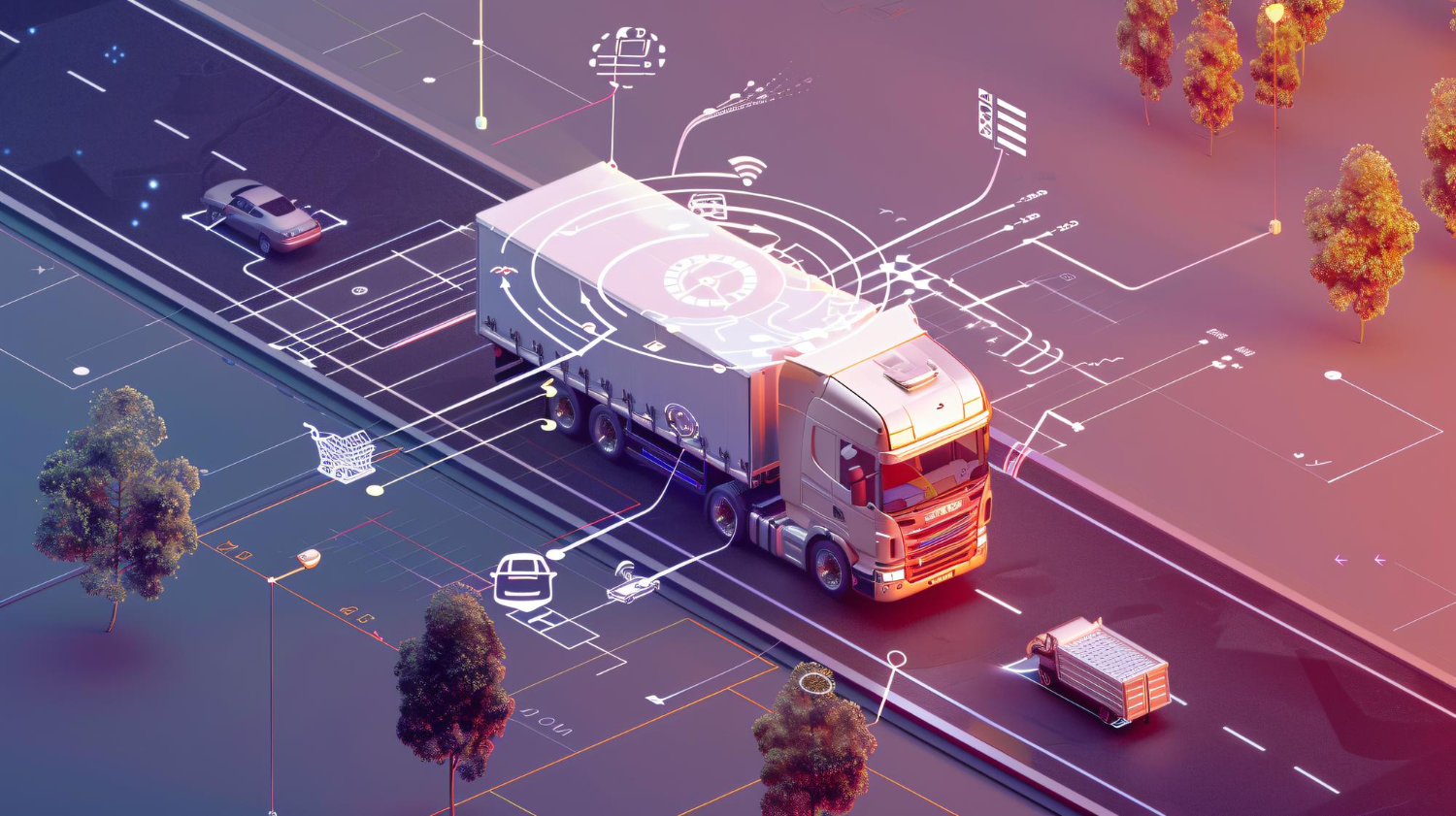
There is a growing demand for fleet managers to improve operational efficiency while meeting sustainability targets in the modern transportation industry. The convergence of Artificial Intelligence (AI) and the Internet of Things (IoT) offers transformative solutions to these challenges. Integrating AI-driven analytics with IoT-enabled tracking systems allows businesses to elevate fleet performance, reduce fuel consumption, and prolong vehicle lifespans. Moreover, it allows fleet operations to reach new heights in efficiency, safety, and environmental responsibility.
In this article, we look into the transformative impact of AI and IoT on fleet efficiency, sustainability, and profitability, all while paving the way for the future of transportation.
The Role of AI in Fleet Management
Fleet management is undergoing a revolution, thanks to Artificial Intelligence (AI). This technology is turning raw data into valuable insights, streamlining processes, and boosting operational efficiency. With AI-driven predictive analytics, fleet managers can anticipate maintenance requirements before they escalate to expensive breakdowns, effectively minimising downtime and repair costs. AI finds patterns in vehicle performance, driver behaviour, and fuel use by analysing a lot of data from telematics, GPS tracking, and sensors on board. This improves fleet efficiency in real time.
Harnessing the power of AI to optimise routes is essential for cutting fuel costs and enhancing delivery times. By dynamically adjusting routes in response to traffic patterns, weather conditions, and historical data, businesses can achieve greater efficiency and reliability. Moreover, AI enhances safety by monitoring driver behaviour, detecting signs of fatigue, harsh braking, and speeding, and providing real-time feedback to minimise accident risks.
AI’s ability to automate administrative tasks—such as compliance reporting, vehicle scheduling, and fuel management—frees up valuable time for fleet managers. Furthermore, AI-powered automation streamlines dispatching, ensuring that the right vehicle is assigned to the right job with optimal efficiency.
As fleets become more connected, AI will continue to play a pivotal role in improving decision-making, reducing costs, and ensuring regulatory compliance. With the rapid adoption of AI, fleet management is shifting from a reactive approach to a proactive, intelligent system that anticipates challenges and enhances overall performance.
IoT Applications in Fleet Operations
The Internet of Things (IoT) is changing the way fleet management works by enabling seamless connectivity between vehicles, sensors, and cloud-based systems. IoT devices enable fleet managers to utilise real-time data on vehicle location, fuel consumption, engine health, and driver performance to make data-driven choices that improve safety and efficiency.
When it comes to advanced telematics systems, the Internet of Things (IoT) allows for continuous vehicle diagnostics, which aids in predicting maintenance needs prior to breakdowns. This proactive approach extends the vehicle’s lifespan, reduces repair costs, and minimises operational disruptions.
IoT also plays a crucial role in fuel management by tracking consumption patterns, identifying inefficiencies, and alerting managers to potential fuel theft. Through the integration of data from GPS, traffic monitoring systems, and weather reports, IoT-powered fleet tracking optimises route planning, hence reducing costs and delays.
Enhanced driver monitoring is another major benefit of IoT in fleet operations. Wearable devices and in-vehicle sensors track driver fatigue, speed, braking patterns, and compliance with safety regulations. This enables managers to develop targeted training programmes that minimise the likelihood of accidents. IoT technology also improves cargo security by providing real-time alerts for unauthorised access, temperature fluctuations in perishable goods, and unexpected route deviations.
Faster data transfers, better automation, and deeper integration with AI-powered analytics are just a few of the ways IoT will revolutionise fleet operations as 5G networks continue to expand. By leveraging IoT, fleet managers can gain unparalleled visibility into every aspect of their operations, ensuring greater efficiency, cost savings, and a safer driving environment for their teams.
Optimising Fleet Operations with Real-Time Data Analytics
Real-time data analytics, powered by AI and IoT, enables fleet managers to monitor vehicle performance, driver behaviour, and operational efficiency with precision. Using smart sensors and telematics, organisations obtain immediate access to critical indicators that impact decision-making. At the end of the day, adding real-time data analytics makes fleet management more flexible and responsive, which leads to big gains in overall productivity.
Key Benefits of AI and IoT in Fleet Tracking:
- Driver Behaviour Monitoring: AI-driven analytics assess speeding, harsh braking, and idling time, promoting safer driving habits.
- Fuel Consumption Optimisation: IoT sensors detect inefficient fuel usage patterns, allowing fleet operators to implement corrective measures.
- Route Optimisation: AI algorithms analyse traffic patterns, weather conditions, and road closures to suggest the most efficient routes.
Enhancing Sustainability through AI and IoT
Sustainability is a growing concern in the transportation sector, and the transportation sector is a significant contributor to greenhouse gas emissions. As cities strive to reduce their carbon footprints, the integration of AI and IoT technologies offers promising solutions that can facilitate the monitoring and reduction of a fleet’s carbon footprint. These innovations can optimise traffic flow, reduce fuel consumption, and enhance public transportation systems, ultimately leading to a greener future. For example, AI-driven route optimisation and IoT-based fuel tracking collectively minimise unnecessary fuel consumption, directly decreasing emissions. Additionally, predictive maintenance ensures vehicles operate at peak efficiency, further contributing to environmental sustainability.
Sustainable Fleet Strategies
Implementing sustainable fleet strategies is crucial for organisations aiming to reduce their environmental impact. By integrating advanced technologies, companies can significantly improve their operational efficiency while promoting eco-friendly practices.
- Eco-Driving Assistance: AI-driven systems provide real-time feedback to drivers, encouraging fuel-efficient driving techniques.
- Automated Engine Diagnostics: IoT-enabled diagnostics identify inefficiencies in engine performance, reducing fuel waste.
- Electric Fleet Integration: AI helps fleet managers transition to electric vehicles (EVs) by analysing cost-benefit scenarios and charging infrastructure requirements.
These initiatives not only bolster a company’s reputation but also attract environmentally conscious consumers, creating a win-win scenario. Furthermore, adopting renewable energy sources for powering fleets can further enhance the commitment to sustainability, ensuring a lasting positive impact on the planet.
The Future of Green Fleet Management
AI and IoT technologies play a crucial role in minimising a fleet’s carbon footprint by reducing fuel consumption and emissions. Companies that adopt AI and IoT for sustainability efforts not only reduce their environmental impact but also benefit from government incentives and enhanced brand reputation. This dual advantage encourages businesses to invest in sustainable practices, as they align financial benefits with ecological responsibility. Ultimately, this fosters a more competitive and environmentally conscious market.
The future of green fleet management lies in the integration of advanced technologies that promote efficiency and reduce environmental impact. By embracing these innovations, fleets can significantly contribute to a more sustainable transportation ecosystem.

Case Studies: Companies Successfully Integrating AI and IoT in Fleet Management
Several companies, for instance, have successfully leveraged AI and IoT to revolutionise their fleet operations. As a result, they are demonstrating measurable improvements in efficiency and sustainability. These businesses demonstrate that AI and IoT not only save money but also protect the environment and enhance fleet longevity. Furthermore, they highlight the transformational impacts of real-time data analysis, in addition to predictive maintenance as well as intelligent route optimisation. By examining these case studies, we can, in fact, gain valuable insights into best practices. Furthermore, we can also discover innovative strategies for future implementation.
1. UPS: AI-Driven Route Optimisation
UPS has implemented a system called ORION (On-Road Integrated Optimisation and Navigation), which uses AI to optimise delivery routes. Upon its initial implementation, UPS’s ORION platform generated savings of $320 million, with 35,000 out of 55,000 drivers utilising the system. AI-driven logistics has enabled UPS to reduce its carbon emissions by thousands of metric tonnes per year. In 2016, UPS disclosed an annual fuel savings over 10 million gallons with ORION and a reduction of CO2 emissions by 100,000 metric tonnes, consistent with their sustainability goals. Read more:
- AI Case Study: UPS saves over 10 million gallons of fuel…, Best Practice AI
- 5 Ways UPS is Using AI [Case Study][2025], DigitalDefynd
- 2022 UPS Sustainability Report
2. DHL: IoT Sensors for Real-Time Vehicle Monitoring
DHL employs IoT sensors, particularly through programmes such as SmartSensor and SmarTrucking, to monitor vehicles in real time, optimise scheduling, and improve route efficiency. With sensors and IoT connectivity, DHL can see their whole fleet and watch how it is being used and performing, allowing them to make the greatest use of their resources and reduce downtime. Read more:
- DHL SmartSensor Page: Enable Visibility in Logistics
- “With IoT, we have increased our efficiency levels by around 10%,” IoT Solutions World Congress
3. Tesla: EV Market Leader
Tesla is leading the way in autonomous vehicle technology and establishing the benchmark forr AI-driven logistics solutions. Their vehicles feature advanced sensors and cameras that power technologies like Autopilot and Full Self-Driving. Tesla’s IoT sensors provide driver behaviour, battery status, and vehicle performance data to its servers for real-time analysis and problem solving. Tesla uses AI-driven route optimisation algorithms to find the best way to move automobiles from factories to delivery locations. Read more:
The Bottom line: Now is the time to invest in smart fleet technologies to drive efficiency and sustainability.
The integration of artificial intelligence and the Internet of Things is reshaping the landscape of fleet management. By adopting these technologies, organisations can achieve significant improvements in efficiency, safety, and sustainability. While challenges such as data security and system integration exist, they are surmountable with careful planning and implementation. AI and IoT technology will progressively impact fleet operations, leading the sector towards a more innovative and environmentally conscious future.
Key Takeaways:
- AI and IoT provide real-time analytics for better decision-making in fleet management.
- Sustainability efforts are strengthened through fuel optimisation and emissions reduction.
- Predictive maintenance reduces downtime and enhances vehicle performance.
- Autonomous vehicle technology is transforming fleet operations for the future.
- Successful case studies highlight the tangible benefits of integrating AI and IoT.
The transportation sector continues to evolve, and businesses that embrace AI and IoT will gain a competitive edge. Contact Hexicor to learn more about how we can help you implement these innovative technologies in your fleet management strategy. Together, we can drive efficiency, reduce costs, and position your business for success in this dynamic landscape.
Common FAQs about AI and IoT in Fleet
How does AI improve fleet efficiency?
- AI enhances fleet efficiency by analysing data in real time, optimising routes, monitoring driver behaviour, and predicting maintenance needs.
What role does IoT play in fleet sustainability?
- IoT enables real-time tracking of fuel consumption, emissions, and vehicle health, helping businesses implement eco-friendly practices.
How does predictive maintenance save costs?
- By identifying potential vehicle issues before they escalate, predictive maintenance reduces repair expenses and minimises downtime.
Are autonomous vehicles practical for fleets today?
- While fully autonomous fleets are still in development, semi-autonomous features like adaptive cruise control and collision avoidance enhance safety and efficiency.
What industries benefit most from AI and IoT in fleet management?
- Logistics, transportation, e-commerce, and public transit industries benefit the most from AI- and IoT-driven fleet solutions.
How can small businesses adopt AI and IoT in fleet management?
- SSmall businesses can start by implementing telematics, route optimisation software, and automated maintenance alerts to enhance efficiency.