


Imagine having complete control over your fleet, with real-time data and instant communication at your fingertips. In today’s fast-paced logistics and transportation industry, delays, miscommunication, and inefficiencies cost businesses millions of dollars annually. In fact, studies show that poor communication can reduce productivity, and when it comes to fleet management, that translates to missed deadlines, increased fuel costs, and safety risks. This is where the integration of Unified Communications (UC) with fleet tracking systems transforms the game. Traditional fleet management heavily relies on GPS tracking, leaving drivers, dispatchers, and managers to play catch-up without a streamlined method to relay critical updates. UC technology eliminates these gaps by enabling seamless, real-time communication across multiple channels—whether it’s instant messaging, VoIP calls, video conferencing, or automated alerts.
By bringing fleet tracking and communication tools together, businesses can optimise routes while on the move, respond instantly to unexpected delays, and ensure every team member—from drivers to dispatchers—stays in sync. The result? Lower operational costs, improved safety, and a more efficient fleet. In this article, we’ll explore how this powerful integration is transforming fleet operations and why businesses that adopt it are gaining a competitive edge. Continue reading to discover how Unified Communications can take your fleet management strategy to the next level.
What Is Unified Communications?
Unified communications (UC) refers to a system that integrates multiple communication tools, such as voice, video, messaging, and data sharing, into a single platform. This ensures employees, drivers, and management can stay connected using various devices, regardless of location. This seamless integration enhances collaboration and boosts productivity, allowing teams to communicate more effectively. By streamlining interactions, unified communications empowers organisations to respond quickly to challenges and opportunities in today’s fast-paced business environment.
By incorporating UC, businesses eliminate fragmented communication channels and create a more streamlined, responsive network. However, some argue that relying heavily on a unified communications platform can lead to over-dependence on technology, potentially stifling face-to-face interactions and genuine human connections. Additionally, the integration of multiple communication tools into one system may overwhelm users with notifications and information, ultimately hindering rather than helping productivity. To address these concerns, organisations must strike a balance between leveraging technology for efficiency and fostering an environment that encourages personal interaction. Implementing training programmes and setting clear guidelines for tool usage can help ensure that employees use unified communications effectively while still prioritising meaningful connections within their teams.
How Fleet Tracking Systems Work
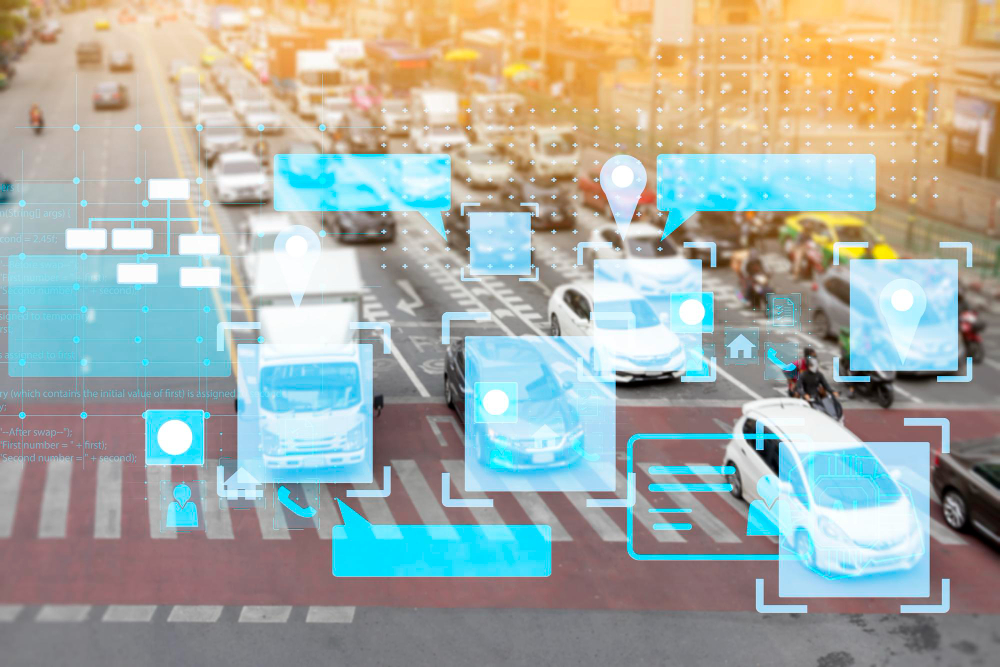
Fleet tracking systems use GPS and telematics technology to monitor vehicle locations, performance, and driver behaviour. These systems collect data in real time, allowing fleet managers to optimise routes, improve fuel efficiency, and enhance driver safety. Safety is a top priority for businesses, and understanding how these systems function can significantly impact operational success. By leveraging advanced analytics, managers can make informed decisions that not only save costs but also increase overall productivity.
When integrated with unified communications, fleet tracking becomes more than just a monitoring tool—it becomes a proactive system for better decision-making. This integration not only streamlines communication between drivers and managers but also fosters a collaborative environment where safety protocols can be promptly addressed. As technology advances, the potential for innovation in fleet management will further enhance operational effectiveness and create new opportunities for growth. However, some critics argue that over-reliance on technology can lead to complacency among fleet managers, potentially undermining critical thinking and problem-solving skills.
Furthermore, the initial investment in new technologies may be prohibitively expensive for smaller businesses, making it difficult for them to compete in an increasingly tech-driven market. Market dynamics will require these companies to find a balance between leveraging technology and maintaining human oversight to ensure sustainable growth. By fostering a culture of continuous learning and adaptability, even smaller fleets can thrive and remain competitive in this rapidly changing landscape.
Key Benefits of UC & Fleet Tracking Systems Integration
Integrating unified communications (UC) with fleet tracking systems enhances operational efficiency, fosters collaboration, and improves overall management capabilities within organisations. Here are the key benefits of this integration:
1. Improved Real-Time Communication
Integrating UC with fleet tracking allows for instant communication between drivers and fleet managers. This ensures:
- Immediate updates on route changes or traffic delays.
- Quick response to vehicle breakdowns or emergencies.
- Reduced misunderstandings through clear, recorded messages.
Instead of relying on multiple apps or outdated methods like radio calls, companies can use one system for all communication needs.
2. Increased Operational Efficiency
Seamless integration between communications and tracking systems reduces delays and optimises fleet operations. Benefits include:
- Better route planning based on real-time traffic updates.
- Faster dispatching of available vehicles.
- Streamlined coordination between drivers, dispatchers, and customers
With a unified platform, decision-making becomes faster and more accurate, leading to improved service delivery.
3. Enhanced Driver Safety
Driver safety is a top priority for fleet businesses. Unified communications enhance safety through:
- Hands-free communication features to minimise distractions.
- Automatic alerts for risky driving behaviour, such as speeding or harsh braking.
- Emergency response coordination in case of accidents or breakdowns.
A well-connected fleet means drivers get the support they need without compromising road safety.
4. Cost Savings and ROI
The integration of UC and fleet tracking platforms creates an efficient environment where resources are allocated effectively, ultimately leading to better financial management. Integrating UC with fleet tracking helps reduce costs by:
- Lowering fuel expenses through optimised routeing.
- Reducing vehicle downtime with proactive maintenance alerts.
- Minimising administrative overhead by automating reporting and scheduling.
The return on investment (ROI) comes from improved efficiency, fewer accidents, and reduced communication errors.
5. Better Compliance and Reporting
Fleet businesses must comply with various regulations related to safety, working hours, and emissions. An integrated system provides:
- Automated logs for driver working hours and compliance records.
- Real-time tracking data for audits and regulatory checks.
- Secure storage of communication records for future reference.
This simplifies compliance efforts while reducing the risk of penalties.
💡The collaborative environment fostered by integrated systems enables fleet managers to access comprehensive real-time data. This data can provide insights into operational performance, allowing organisations to make informed decisions that drive productivity and efficiency. Overall, the integration of UC and fleet tracking systems creates a powerful framework that improves organisational performance by facilitating communication, enhancing management capabilities, and driving better operational outcomes.
Challenges and Considerations in UC & Fleet Tracking Integration
While integrating unified communications with fleet tracking systems offers undeniable advantages, businesses must navigate several challenges to ensure a seamless transition.
- Implementation Costs: Upfront investment in software and hardware may be necessary.
Deploying an integrated system requires an upfront investment in software, hardware, and IT infrastructure. However, businesses that take a long-term approach often find that the cost savings from increased efficiency, reduced fuel consumption, and better fleet utilisation outweigh the initial expenses. According to industry reports, companies implementing advanced fleet tracking solutions see up to a 15% reduction in operational costs within the first year.
- Training Requirements: To maximise efficiency, employees must receive training on the new system.
Technology is only as effective as the people using it. Employees, including fleet managers and drivers, must be trained to utilise the new system efficiently. Resistance to change can slow adoption, so businesses should implement a phased training approach, offering hands-on experience and continuous support to maximise user engagement and effectiveness.
- Data Security: Protecting communication and tracking data from cyber threats is essential.
Fleet tracking and unified communications systems handle vast amounts of sensitive data, from real-time vehicle locations to internal communications. Without proper cybersecurity measures, these systems can become targets for cyber threats. In fact, cyberattacks on transportation and logistics companies have increased by 186% over the last two years. Companies must invest in secure cloud-based platforms with end-to-end encryption, multi-factor authentication, and regular security audits to safeguard their data.
💡Businesses can get around these problems and get the most out of unified communications in fleet management by choosing platforms that are reliable, scalable, and secure, as well as ones that fit their operational goals.
Future of Unified Communications in Fleet Management
The future of fleet management lies in the powerful synergy between real-time data, automation, and intelligent communication technologies. As digital transformation accelerates, key advancements will redefine how fleets operate, making them more connected, responsive, and efficient. Technology is rapidly evolving, and future trends include:
- AI-Powered Communication: Artificial intelligence (AI) will enable smarter routeing, predictive maintenance, and automated dispatching.
By automating processes like despatch, route optimisation, and predictive maintenance, AI has the potential to revolutionise fleet management. AI-driven analytics can assess traffic patterns, weather conditions, and vehicle performance data to recommend the most efficient routes, reducing fuel costs and improving delivery times. Fleet managers can also use AI-powered chatbots to streamline communication between drivers and dispatchers.
- 5G Connectivity: Faster, more reliable mobile networks will enhance real-time communication and tracking capabilities.
The rise of 5G networks will eliminate latency issues, enabling real-time, high-speed communication between fleet managers, drivers, and customers. Faster data transfer speeds will enhance live GPS tracking, remote diagnostics, and video telematics, leading to better visibility and instant decision-making. With 5G, businesses can expect 100% uptime for mission-critical services, indicating a commitment to high reliability.
- Advanced Analytics: Data-driven insights will help fleet managers make more informed decisions.
Data is one of the most valuable assets in modern fleet management. Advanced analytics, powered by big data and AI, will provide deep insights into driver behaviour, fuel efficiency, vehicle health, and delivery performance. Fleet managers can leverage these insights to make data-driven decisions, enhance productivity, and mitigate risks. Predictive analytics will also enable proactive maintenance, preventing unexpected breakdowns and reducing repair costs.
💡Businesses that embrace these emerging technologies will be better positioned to enhance efficiency, reduce costs, and stay competitive in a fast-changing industry. Investing in AI-driven communication, 5G-enabled connectivity, and advanced analytics today will set the foundation for a smarter, more resilient fleet management strategy in the future.
The Bottom line: Businesses that integrate unified communications with fleet tracking don’t just keep up; they lead the way in efficiency, safety, and profitability.
Integrating unified communications with fleet tracking systems transforms the way businesses manage their fleets. It’s a strategic move towards greater efficiency, safety, and cost savings. Fleet managers who adopt this integration gain a competitive edge by increasing real-time visibility, improving driver communication, and optimising overall operations.
With real-time data sharing and automated alerts, businesses can respond quickly to unexpected challenges such as route changes, delays, or vehicle breakdowns. The ability to coordinate effectively between dispatchers and drivers reduces downtime and ensures that deliveries and services remain on schedule.
Additionally, safety is significantly improved as fleet tracking combined with communication tools enables immediate incident reporting, helping fleet operators take proactive measures to prevent accidents or violations. Driver coaching programmes also become more effective when fleet managers can analyse vehicle data and provide feedback in real time.
Beyond operational benefits, integrating these systems also contributes to cost savings. Reduced fuel consumption through optimised routes; better vehicle maintenance through predictive analytics; and fewer administrative burdens all add up to increased profitability. Furthermore, automated reporting simplifies compliance with industry regulations by ensuring accurate record-keeping for audits and legal requirements.
As technology continues to advance, fleet businesses that leverage unified communications and fleet tracking will be better positioned to adapt to future industry changes. Delaying integration exposes fleet businesses to inefficiencies, safety concerns, and increased operational costs, which can ultimately affect their long-term success.
For fleet businesses aiming for operational excellence, integrating unified communications with fleet tracking isn’t just an option—it’s a necessity for staying ahead in a competitive market.
Looking to enhance your fleet operations through unified communications? Elevate your fleet operations and gain a competitive edge. Contact Hexicor today andlet’s explore tailored solutions that can propel your business forward.
Common FAQs about UC & Fleet Tracking Integration
What is unified communications in fleet management?
- Unified communications integrates voice, messaging, video, and other communication tools into a single system, improving coordination within fleet businesses.
How does fleet tracking benefit from unified communications?
- Fleet tracking systems become more efficient with integrated communication, allowing real-time updates, optimised dispatching, and better emergency response.
What are the cost savings of integrating these systems?
- Businesses can save on fuel, maintenance, and administrative costs while improving overall operational efficiency and reducing downtime.
Is it difficult to implement a unified communication system in a fleet business?
- Implementation requires some investment in software and training, but once set up, it greatly simplifies operations and enhances productivity.
How does this integration improve driver safety?
- Features like hands-free communication, automatic safety alerts, and real-time support improve driver safety and reduce road accidents.
What future trends should fleet businesses watch for?
- AI-powered dispatching, 5G connectivity, and advanced data analytics are key trends shaping the future of fleet management.