


Managing a fleet is no small task, but by adopting the seven habits of a highly effective fleet manager, you can streamline operations and drive success. Fleet managers who lead their industry not only manage their fleets effectively but also excel in adopting habits that drive long-term success. Here are the seven key habits of highly effective fleet managers that distinguish them from the pack.
Fleet management is a complex dance that requires careful planning, precision, and a dash of adaptability. Fleet managers play a pivotal role in ensuring the efficient and effective operation of an organisation’s fleet. Their responsibilities encompass everything from vehicle maintenance and driver management to fuel efficiency and cost control. To excel in this demanding role, fleet managers need to cultivate specific habits that can enhance their performance and drive positive outcomes for their organisations.
But what sets apart the truly effective fleet manager from the rest?
It all comes down to habits—specific actions and mindsets that drive efficiency, reduce costs, and improve overall performance. This article will look into the seven habits of highly effective fleet managers, giving you the tools to take your fleet operations to the next level. So, let’s get rolling!
7 Habits of a Highly Effective Fleet Manager
Effective fleet management requires a balance of strategic planning, operational oversight, and continuous improvement. Here are 7 habits that highly effective fleet managers adopt to optimise their operations and improve overall performance:
1. Proactive Planning and Goal Setting
The first habit emphasises the importance of being proactive rather than reactive. Effective fleet managers anticipate issues and address them before they escalate, allowing for smoother operations and better resource management. They adopt a proactive maintenance schedule, ensuring that vehicles receive regular check-ups and repairs before issues arise. This habit reduces downtime and improves the reliability of the fleet. For example, implementing a preventive maintenance programme can minimise breakdowns, thereby reducing unplanned downtime and repair costs. Case studies illustrate that proactive management often results in substantial cost savings and improved operational efficiency.
Why it matters
A proactive mindset leads to better management, fewer surprises, and more effective use of resources. Effective fleet managers can increase fleet uptime and ensure that vehicles are always road-ready by planning ahead rather than simply reacting to issues as they arise. By staying ahead of maintenance needs, operational inefficiencies, and compliance requirements, a proactive fleet manager can:
- Reduce downtime. Anticipating maintenance and repairs ensures vehicles stay on the road longer, minimising disruptions.
- Lower costs. Preventing breakdowns and costly emergency repairs saves money in the long run.
- Enhance safety. Regular checks and improvements keep drivers safe and reduce the risk of accidents.
- Improve efficiency. Planning ahead optimises routes, fuel usage, and resource allocation.
- Boost long-term success. A proactive approach builds a more reliable, efficient fleet that supports business growth.
2. Effective Communication and Collaboration
Effective fleet managers are strong leaders who inspire and motivate their teams. They maintain open and transparent communication with drivers, maintenance staff, and other stakeholders, fostering a collaborative work environment and ensuring that information regarding safety protocols and performance goals is conveyed clearly. Fleet managers who maintain open lines of communication and provide regular updates contribute to a transparent and informed work environment. This minimises confusion and enhances the team’s ability to respond to changes effectively, thus improving overall operational efficiency.
Why it matters
Fleet managers aren’t just responsible for vehicles—they’re also responsible for the people driving them. Strong leadership skills with good communication are essential for managing a team and making informed decisions. A fleet manager plays a pivotal role in fostering these elements, ensuring smooth operations, improved efficiency, and enhanced driver satisfaction. Here’s the role of strong leadership and effective communication in driver training and engagement:
- Setting clear goals and expectations encourages accountability and motivation among drivers, helping them to understand their role in the fleet’s overall success.
- Providing personalised feedback on driver performance helps them identify areas for improvement and develop their skills.
- Encouraging open dialogue during training sessions allows drivers to ask questions, share experiences, and learn from each other.
- Recognising and rewarding positive behaviour and achievements can boost morale, encourage engagement, and reinforce desired behaviours.
3. Data-Driven Decision Making
In today’s digital age, data is king. However, only 23% of fleets surveyed use big data analytics as a tool to inform strategic decision-making, and only another 15% plan to in the future. One of the seven habits of highly effective fleet managers is using data to drive every decision, from optimising routes to managing driver performance. This habit involves the continuous collection, monitoring, and analysis of fleet data, such as fuel consumption, vehicle performance, and driver behaviour. Fleet managers who lead their industry base decisions on accurate, real-time data. By leveraging data, fleet managers can identify inefficiencies, forecast future needs, and adjust their strategies accordingly. This approach leads to smarter, more informed choices that positively impact fleet operations.
Why it matters
Data-driven decision-making helps to reduce costs, increase efficiency, and extend the lifespan of vehicles, resulting in better resource allocation and higher profitability. Managers who rely heavily on data can anticipate maintenance needs, monitor fuel usage, track critical metrics in real-time, identify trends, and optimise fleet performance based on data-backed insights. Here’s how telematics data impacts fleet operations:
- Real-time tracking can improve dispatching and routeing.
- Fuel consumption analysis can lead to better fuel management.
- Monitoring driver performance through telematics systems or fleet management software helps fleet managers identify risky behaviours and implement training to improve safety.
4. Risk Management and Safety
An effective fleet manager prioritises safety above all else. This habit involves identifying potential risks and developing strategies to mitigate them. Fleet managers with a safety-first mindset conduct risk assessments to identify hazards and implement measures to reduce the likelihood of accidents and minimise their impact. They work closely with their drivers to create and enforce safety protocols, offer regular driver training, and ensure vehicles are equipped with safety technologies. One hallmark of a highly effective fleet manager is being aware of the risks associated with fleet operations. Part of this risk awareness is attention to detail as it impacts vehicle maintenance, safety, and operational efficiency.
Fleet managers who prioritise meticulous monitoring of maintenance schedules, inspections, and compliance requirements help ensure the reliability and safety of the fleet. This approach not only reduces the likelihood of road crashes in Australia and regulatory violations but also enhances fuel efficiency and extends vehicle lifespans.
Why it matters
Ensuring safety reduces the risk of accidents for both drivers and assets, which in turn helps to lower insurance premiums, protect assets, and maintain a positive reputation. A fleet that values safety will also see reduced driver turnover and a more motivated workforce. Here are a few ways prioritising preventive maintenance can protect both drivers and assets:
- Regular maintenance prevents sudden mechanical failures, keeping drivers safe from accidents caused by malfunctioning vehicles.
- Routine inspections ensure brakes, tyres, and safety systems function properly, minimising accident risks.
- Well-maintained vehicles last longer, reducing wear and tear on expensive assets.
- Preventive maintenance ensures vehicles are always ready for use, minimising unexpected downtime and costly repairs.
- Ensuring vehicle safety through regular maintenance lowers the risk of accidents and legal liabilities.
5. Cost Management and Efficiency
If there’s one thing every fleet manager needs to have a handle on, it’s cost management. From fuel to repairs, fleet operating costs can quickly spiral out of control without a clear strategy in place. That’s why managing budgets and expenses is a critical habit for fleet managers. Strong financial management skills enable fleet operators to make cost-effective decisions while maintaining high operational standards. This means that cost management is a top priority for leading fleet managers. Highly effective managers constantly look for ways to reduce expenses without sacrificing quality. This might involve negotiating better contracts with suppliers, optimising fuel consumption, or implementing energy-efficient technologies. This financial insight promotes sustainability and profitability within fleet operations.
Why it matters
Smart cost management ensures long-term sustainability, reduces unnecessary spending, and maximises profitability. This habit ensures that resources are used wisely and that the fleet operates within budget while delivering maximum value. Here are a few ways cost-consciousness can significantly promote sustainability and profitability within fleet operations:
- Optimising routes, training drivers for efficient driving, and implementing fuel-efficient technologies can reduce fuel costs and emissions.
- Regular maintenance can extend vehicle lifespan, reduce breakdowns, and lower repair costs.
- Using telematics systems to track vehicle performance, fuel consumption, and driver behaviour can identify areas for improvement and reduce costs.
- Training drivers on fuel-efficient driving and safe practices can reduce accidents and maintenance costs.
- Choosing vehicles with higher fuel efficiency and lower emissions can contribute to sustainability and cost savings.
- Implementing recycling programmes and waste management can improve sustainability and lower disposal costs.
- Building relationships with suppliers who prioritise sustainability can lead to cost-effective and environmentally friendly solutions.
- Implementing energy-efficient practices in fleet facilities can reduce energy consumption and costs.
6. Technology Adoption and Adaptability
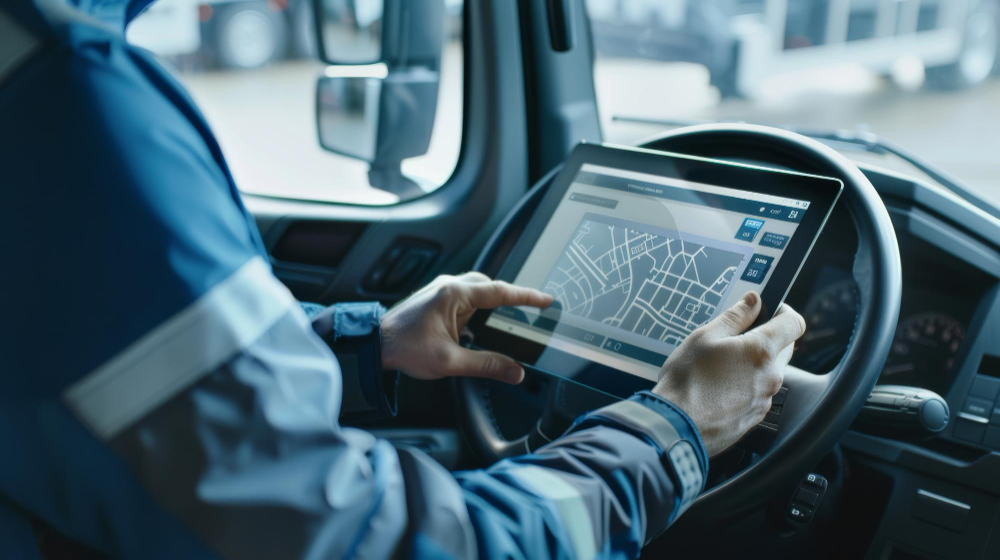
From a global standpoint, one study found that fleet managers exhibited differing levels of technological adoption. Of the users of these tools, 20% are novices and use them for an average of 0.5 apps; 44% are intermediate users, and 36% are advanced users who use them for an average of four applications. The sixth of the seven habits of highly effective fleet managers is leveraging technology to streamline operations and improve decision-making. Highly effective fleet managers understand that technology is a game-changer, and those who embrace it are setting themselves up for long-term success. They are always looking for ways to improve fleet performance, whether through adopting new technologies, refining processes, or responding to changing market conditions.
The fleet management industry is constantly evolving, with new technologies and regulations emerging regularly. In this case, adaptability is key, as they must continuously evolve to meet new challenges, from shifting regulations to technological advancements.
Why it matters
Adaptability ensures that the fleet can respond to changing industry conditions, such as regulatory updates, new technologies, and shifting customer demands. By staying on top of emerging trends and fostering a mindset of continuous improvement, effective managers can reduce inefficiencies and ensure their fleet stays competitive, resilient, and ready to handle future challenges. Above all, staying informed helps managers adopt innovative solutions and remain compliant with evolving industry standards. Here are some of the benefits of investing in a comprehensive fleet management solution:
- Optimise routes, reduce fuel consumption, and enhance vehicle utilisation.
- Prevent accidents, improve driver behaviour, and ensure compliance with safety regulations.
- Lower fuel costs, minimise maintenance expenses, and improve overall operational efficiency.
- Streamline operations, improve asset management, and enhance customer service.
- Utilise real-time data to make informed decisions and optimise fleet performance.
- Reduce emissions, promote eco-friendly practices, and contribute to a greener future.
- Gain a competitive edge by offering improved services and reducing costs.
- Improve delivery times, increase reliability, and enhance the customer experience.
7. Sustainability and Environmental Responsibility
A fleet manager’s role is fundamentally linked to sustainability and environmental responsibility. In fact, focusing on minimising the fleet’s ecological footprint while enhancing operational efficiency has become integral to the fleet manager’s role. Fleet managers are pivotal in implementing sustainable practices, complying with environmental regulations, and leveraging technology to optimise resource usage. Their commitment to these principles not only contributes to environmental stewardship but also aligns the organisation with current societal expectations and regulatory standards.
Why it matters
Contributes to a more sustainable future and demonstrates the organisation’s commitment to environmental stewardship through. Here are some key areas where they can make a significant impact:
- Choosing vehicles with high fuel efficiency ratings and exploring alternative fuels to reduce fuel consumption and emissions.
- Implementing environmentally friendly maintenance practices (e.g., use of biodegradable cleaning products and recycling waste)
- Educating drivers about the environmental impact of their actions and the importance of sustainable practices.
- Tracking key environmental performance indicators (e.g., fuel consumption, emissions, and waste generation) and preparing regular sustainability reports to assess impact and progress.
- Ensuring compliance with all relevant emissions standards and regulations and obtaining necessary permits and licenses for fleet operations.
Fleet managers that incorporate these seven effective habits into their everyday operations can not only improve their leadership skills but also boost productivity and safety among their team members. Additionally, by encouraging more streamlined, lucrative, and effective fleet management procedures, fleet managers can ultimately enhance an organisation’s ability to achieve its operational goals.
Bottom line… The role of a fleet manager is dynamic and challenging, but those who cultivate these seven habits consistently outperform their peers.
By adopting these seven habits, fleet managers can lead their industry, streamline their operations, and reduce costs while ensuring high standards of safety and sustainability. Moreso, adopting these practices can help any fleet manager improve operations, maximise efficiency, and position their organisation as a leader in the transportation sector. Highly efficient fleet managers confidently lead their sector by embracing technology, prioritising safety, managing expenses, and encouraging continuous progress. These habits not only optimise fleet performance but also drive long-term success and competitiveness in an ever-evolving market.
Effective management is all about foresight, adaptability, and continuous improvement—key qualities that define leaders in fleet management.
Ready to take your fleet management to the next level? Start by implementing these seven habits, and you’ll notice immediate improvements in efficiency, cost savings, and driver satisfaction. Contact Hexicor today for expert advice and fleet management solutions that’ll keep your operation moving forward!
Frequently Asked Questions about (FAQs) about Highly Effective Fleet Managers
What is the most important habit of an effective fleet manager?
- In this day and age, the most important habit is data-driven decision-making. By using data, fleet managers can optimise routes, monitor vehicle health, and improve driver performance.
How can fleet managers encourage driver engagement?
- Fleet managers can foster driver engagement by providing continuous training, offering incentives for good performance, and maintaining open communication channels to address concerns.
What role does technology play in fleet management?
- Technology, such as fleet management software and telematics, plays a crucial role in tracking vehicles, monitoring maintenance, and analysing data to improve efficiency and reduce costs
How often should fleet vehicles undergo maintenance?
- Fleet vehicles should undergo regular preventive maintenance based on their mileage and usage. Most managers follow manufacturer-recommended schedules and monitor real-time data to anticipate service needs.
What is route optimisation, and how does it benefit fleet management?
- Route optimisation involves using software to plan the most efficient routes, reducing fuel consumption, and improving delivery times. It helps fleet managers save on costs while increasing productivity.