

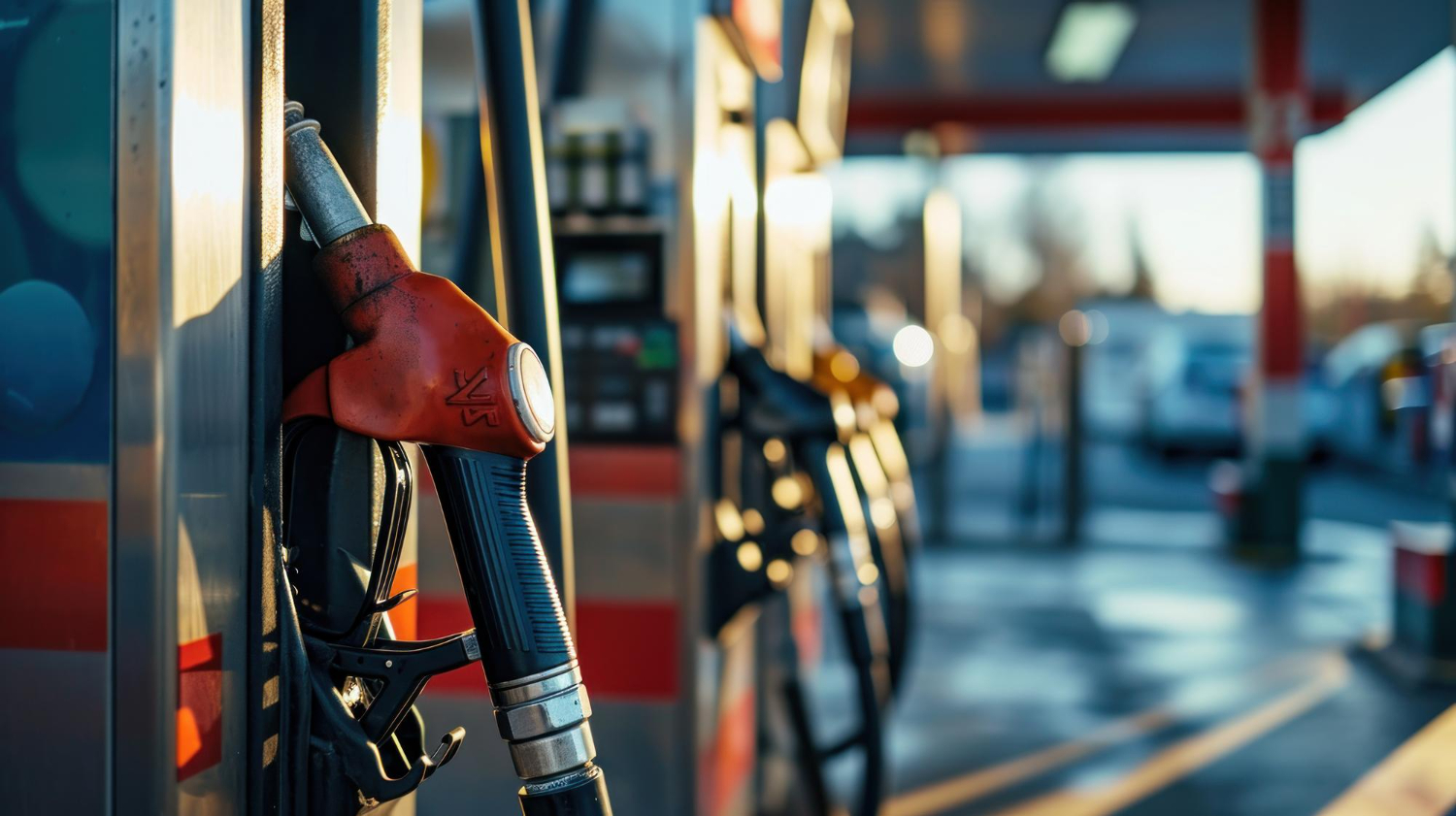
Discover the top fuel management strategies for rising fuel costs in 2024 and beyond. Learn how to optimise your fleet, save on fuel, and keep your operations running smoothly.
Are you tired of watching your fuel costs skyrocket faster than your blood pressure? As fuel prices continue to soar in 2024, fleet managers are feeling the pinch. Fleet managers and operators face the ever-daunting challenge of controlling these expenses. In fact, recent news paints a concerning picture. While fuel expenses remain one of the most important vehicle operating cost (VOC) components, their unpredictable nature presents a challenge for fleet managers in their efforts to manage fuel costs and, as a result, reduce operational costs. As fuel prices continue to rise, fleet managers face increasing pressure to find effective strategies to manage fuel costs. In 2024 and beyond, adopting innovative fleet management practices is no longer optional. Given the anticipated volatility of fuel prices, effective fuel management strategies will be crucial for maintaining profitability and operational efficiency and, above all, essential for business survival.
If you’re looking for ways to curb those rising fuel costs and keep your sanity intact, you’ve come to the right place. Let’s dive into the top fleet management strategies for rising fuel costs in 2024 and in the future. Spoiler alert: it involves more than just crossing your fingers and hoping for cheaper fuel.
Why Are Fuel Costs Rising?
Before we jump into solutions, let’s quickly address the elephant in the room. Why are fuel costs soaring like an untethered balloon? What affects fuel prices in Australia?
- Geopolitical Instability: Political unrest in oil-producing regions can cause supply disruptions and price hikes.
- Inflation: Thanks to our lovely economic policies, inflation plays a significant role in rising fuel prices.
- Environmental Regulations: Stricter regulations and the push for greener fuels also contribute to higher costs.
Global factors and geopolitical tensions are driving fuel prices upward. The International Energy Agency’s (IEA) Oil Market Report (OMR) forecasts that oil prices will remain high throughout 2024. This translates to significant financial strain for fleet operations.

Top Fuel Management Strategies for Rising Fuel Costs
Fuel costs have always been a significant expense for fleet operations, but the recent surge in prices presents unprecedented challenges. As we ease our way into 2024, fleet managers must rethink their strategies to maintain profitability and operational efficiency. The following strategies offer a roadmap to navigate these rising costs.
1. Embrace Technology: Leverage Telematics for Data-Driven Decisions
In today’s digital age, data is king. Telematics systems provide a wealth of information on vehicle performance, fuel consumption, and driver behavior. By leveraging this data, fleet managers can identify areas for improvement and make informed decisions. For instance, telematics can reveal excessive idling, harsh acceleration, and inefficient routes. Addressing these issues can lead to significant fuel savings.
Key Actions:
- Install Telematics Devices: Equip your fleet with telematics devices to gather real-time data.
- Analyse Data: Use the data to identify inefficiencies and areas for improvement.
- Optimise Routes: Implement route optimisation software to reduce fuel consumption and improve delivery times.
Challenges:
- Investment Cost: Implementing telematics requires upfront investment and integrating the data into existing workflows.
- Data Overload: Managing and analysing large volumes of data can be challenging without the right tools.
- Driver Compliance: Ensuring drivers adhere to optimised routes and fuel-saving practices requires ongoing training and monitoring.
2. Every Mile Counts: Optimise Routes for Efficiency
One of the most effective ways to reduce fuel consumption is through optimised route planning. Route optimisation software analyses traffic patterns, road conditions, and vehicle capacities to create the most efficient routes. Advanced route planning software helps create fuel-efficient routes that consider factors like real-time traffic conditions. By using advanced GPS and telematics systems, fleet managers can identify the most efficient routes, avoid traffic congestion, and minimise idle time.
Key Actions:
- Use Advanced Route Planning Tools: Invest in software that uses real-time traffic data and predictive analytics to plan the most efficient routes.
- Regularly Review Routes: Continuously monitor and adjust routes based on changing conditions and new data.
- Train Drivers: Educate drivers on the importance of following optimised routes and using navigation tools effectively.
Challenges:
- Dynamic Conditions: Traffic patterns and road conditions can change rapidly, requiring constant updates to route plans.
- Driver Adaptation: Some drivers may resist changing their habitual routes, necessitating additional training and incentives.
3. Invest in Driver Training: Cultivate Fuel-Conscious Driver Behaviour
Driver behaviour significantly impacts fuel efficiency. Implementing driver training programmes that focus on fuel-saving techniques like eco-driving can lead to a noticeable reduction in fuel consumption. Fuel-efficient driving techniques like smooth acceleration, maintaining speed limits, and avoiding harsh braking can significantly reduce fuel consumption.
Key Actions:
- Regular Maintenance: Ensure vehicles are regularly serviced to maintain optimal performance and fuel efficiency.
- Promote Eco-Driving: Train drivers in eco-driving techniques such as smooth acceleration, maintaining steady speeds, and minimising idling.
- Reduce Idling: Implement policies and technologies to minimise unnecessary idling, which can waste fuel.
Challenges:
- Behavioural Changes: Encouraging drivers to adopt eco-friendly practices requires consistent training and reinforcement.
- Monitoring Compliance: Ensuring adherence to eco-driving practices can be challenging without effective monitoring tools.
4. Take Control of Your Fuel Usage: Invest in Fuel Management Systems
Fuel management systems help monitor and control fuel usage across the fleet. These systems provide detailed insights into fuel consumption patterns, identify inefficiencies, and enable better decision-making. Investing in fuel management systems is a strategic move for fleet managers aiming to optimise fuel usage, reduce costs, and improve overall fleet efficiency.
Key Actions:
- Implement Fuel Management Software: Use software to monitor fuel consumption, detect anomalies, and track fuel purchases.
- Set Fuel Usage Benchmarks: Establish benchmarks for fuel usage and set goals for improvement.
- Analyse Fuel Data: Regularly review fuel data to identify trends and areas for optimisation.
Challenges:
- Initial Setup: Implementing fuel management systems can require a significant initial investment.
- Data Accuracy: Ensuring the accuracy of fuel data is critical for making informed decisions.
5. Utilise Predictive Analytics: Prioritise Preventative Maintenance
Predictive analytics and preventative maintenance are closely related concepts that work together to enhance fleet management efficiency, reduce costs, and improve safety. Predictive analytics can identify subtle signs of wear and tear or performance degradation that might not be noticeable during routine inspections. By analysing historical and real-time data, predictive models can forecast when a component is likely to fail. For instance, predictive analytics can monitor engine performance parameters such as temperature, pressure, and fuel efficiency. If the data indicates an anomaly that could lead to engine failure, maintenance can be scheduled to address the issue before it escalates.
Key Actions:
- Leverage Telematics Data: Use data from telematics systems to feed predictive models.
- Implement Predictive Analytics Tools: Invest in software that can analyse data and provide actionable insights.
- Make Data-Driven Decisions: Use predictive insights to make informed decisions about fleet operations and fuel management.
Challenges:
- Data Quality: The accuracy of predictive analytics depends on the quality and completeness of the data.
- Implementation Complexity: Setting up predictive analytics systems can be complex and require specialised expertise.
6. Adopt Alternative Fuels and Green Technologies: Invest in Fuel-Efficient Vehicles
Transitioning to fuel-efficient vehicles is one of the most effective ways to combat rising fuel costs. Hybrid and electric vehicles (EVs) offer significant fuel savings compared to traditional gasoline-powered vehicles. While the upfront cost might be higher, transitioning to fuel-efficient vehicles like hybrids, electric vehicles (EVs), or alternative fuel options like compressed natural gas (CNG) can lead to substantial long-term savings. Government incentives and tax breaks for these vehicles further enhance their appeal.
Key Actions:
- Evaluate Your Fleet: Assess your current fleet and identify vehicles with the highest fuel consumption.
- Consider Hybrids and EVs: Research and invest in hybrid and electric vehicles suitable for your operations.
- Monitor Performance: Use telematics to track the performance and fuel efficiency of your new vehicles.
Challenges:
- Upfront Investment: The initial cost of fuel-efficient vehicles is often higher than that of traditional gasoline-powered models.
- Charging Infrastructure: For electric fleets, ensuring adequate charging infrastructure at depots and along routes is crucial.
- Range Anxiety: While EV technology is improving, range limitations for long-haul fleets might be a concern.
The Future of Fleet Management: Technology and Sustainability
Effectively addressing the increasing fuel costs is a major challenge that fleet managers will face in 2024 and beyond. Fleets can achieve substantial reductions in fuel expenses and improve operational efficiency by implementing measures such as route optimisation, practicing fuel-efficient driving techniques, maintaining vehicles on a regular basis, investing in fuel management systems, adopting alternative fuels, and monitoring fuel theft. Adopting these measures not only aids in cost management but also adds to a more environmentally friendly and sustainable future.
As we move forward, technological advancements will play a key role in optimising fleet operations and managing fuel costs. Artificial intelligence (AI) will enhance fuel usage analytics, predictive maintenance, and route optimisation. Furthermore, the focus on sustainability will continue to drive the adoption of electric and alternative fuel vehicles. Fleet managers who embrace these advancements will be well-positioned to navigate the dynamic fuel cost landscape.
Ready to take control of your fleet’s fuel costs? Implement these top strategies today and see the difference in your operational efficiency and bottom line. Contact us to learn more about how our fleet management solutions can help you navigate the challenges of rising fuel prices.
Frequently Asked Questions (FAQs) about Fleet Management Strategies for Rising Fuel Costs
What are the biggest challenges in implementing fuel-efficient fleet strategies?
- Upfront costs of new vehicles, lack of charging infrastructure for EVs, and driver behavior change can be hurdles.
How can I measure the success of my fuel-saving strategies?
- Track your fleet’s fuel consumption data over time and compare it to previous periods. You can also monitor key performance indicators (KPIs) like miles per gallon (MPG) and idling times.
Are there government incentives for adopting fuel-efficient vehicles?
- Yes, many governments offer tax breaks and rebates for purchasing electric vehicles and alternative fuel vehicles.
What is telematics and how can it help me save fuel?
- Telematics systems provide real-time data on vehicle performance, driver behavior, and fuel consumption. This data can be used to identify areas for improvement and implement fuel-saving strategies.
How can I get started with a data-driven approach to fleet management?
- Consider investing in telematics software that provides detailed fuel consumption reports and driver behavior insights.
Why is regular vehicle maintenance important for fuel efficiency?
- Regular maintenance ensures that vehicles operate at peak performance, reducing fuel consumption and preventing costly breakdowns.