

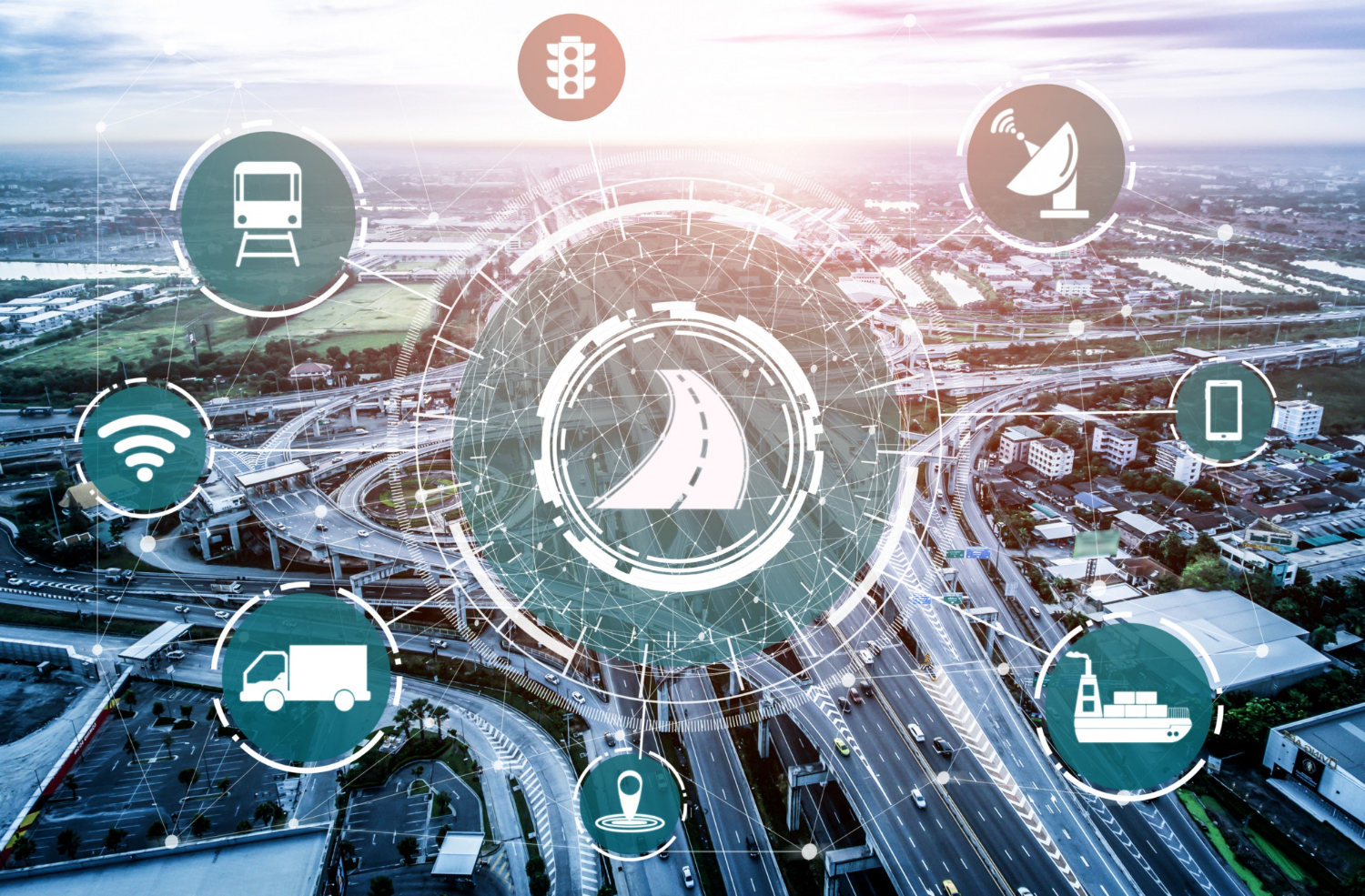
Unlocking Efficiency and Innovation with the IoT advantage in fleet management systems.
The landscape of fleet management is undergoing a profound transformation, and at the heart of this evolution is the Internet of Things (IoT). In today’s fast-paced world, the efficient management of fleets is critical for businesses across industries, from logistics giants to local delivery services. The integration of IoT technology into fleet management systems is not just a choice; it’s a strategic imperative.
Fleet management is not just about moving goods from point A to point B. It’s about doing so efficiently, safely, and cost-effectively. In the world of fleet management systems, the Internet of Things (IoT) has emerged as a game-changer. Fleet operators are increasingly turning to IoT technology to streamline their operations, enhance efficiency, and gain a competitive edge.
In today’s article, let’s explore the transformative impact of the Internet of Things (IoT) on fleet management, propelling businesses into an era of unprecedented efficiency and competitiveness.
What is IoT?
The Internet of Things, or IoT, refers to the interconnected network of devices, vehicles, and other physical objects embedded with sensors, software, and connectivity. These IoT-enabled objects collect and exchange data, facilitating intelligent decision-making and automation.
What is IoT in Fleet Management?
IoT, at its core, is about connecting devices to the internet, allowing them to communicate and share data. In fleet management, IoT involves equipping vehicles with sensors and software to collect and transmit information.
The IoT Advantage in Fleet Management
IoT involves connecting everyday devices and sensors to the internet, allowing them to communicate and share data. When applied to fleet management, it offers several significant advantages:
Real-time Fleet Monitoring
IoT sensors and devices enable real-time monitoring of vehicles and assets within your fleet. From tracking the location and speed of vehicles to monitoring engine health and fuel levels, IoT provides a comprehensive view of your fleet’s status. This real-time data empowers fleet managers with actionable insights to make informed decisions promptly.
Predictive Maintenance
IoT-based sensors continuously collect data on vehicle performance, including engine temperature, tyre pressure, and component wear. By analysing this data, fleet managers can predict when maintenance is required, reducing unplanned downtime and costly repairs. This proactive approach not only enhances vehicle longevity but also saves money in the long run.
Efficient Route Planning
IoT technology aids in optimising route planning by considering real-time traffic data, weather conditions, and vehicle performance. As a result, this leads to fuel savings, reduced wear and tear on vehicles, and improved delivery times. Efficient route planning translates into cost reduction and enhanced customer satisfaction.
Improved Lone Worker Safety and Security
IoT-enabled telematics devices can provide real-time insights into driver behaviour, including speeding, harsh braking, and aggressive driving. Fleet managers can use this data to implement driver training programmes, reducing accidents and insurance costs. Additionally, IoT can help track and recover stolen vehicles, enhancing security.
Efficient Fuel Management
Fuel is a significant operational cost for fleets. IoT sensors monitor fuel consumption in real time, enabling better fuel management and reducing waste. With IoT, fleet managers can monitor fuel consumption patterns and identify opportunities to improve fuel efficiency. This includes reducing unnecessary idling, optimising routes, and ensuring vehicles are properly maintained for optimal fuel economy.
Data Collection and Analysis
IoT sensors collect a wealth of data, from vehicle performance metrics to driver behaviour. Fleet managers can leverage this data to make informed decisions, such as optimising routes, scheduling maintenance, and identifying areas for improvement.
Selecting the Right IoT Solutions for Your Fleet
With various IoT options available, it’s crucial to choose the right solutions for your fleet.
Assess Your Fleet’s Needs
Start by identifying the specific challenges and needs of your fleet. Do you require real-time tracking, worker safety solutions, or better fuel efficiency? Tailor your IoT solutions to address these priorities.
Scalability and Customization
When integrating IoT into your fleet management systems, ensure that the IoT solutions you choose can scale with your fleet’s growth. IoT providers should offer flexibility to adapt to your fleet’s size and industry requirements. You don’t want to invest in technology that becomes obsolete as your operations expand.
Data Security and Privacy
IoT involves the exchange of sensitive data. So, ensure that your chosen IoT solutions prioritise data security and comply with privacy regulations. Robust cybersecurity measures are essential to protect your fleet’s information from potential threats.
Seamless Integration with Existing Systems
Consider how well IoT solutions integrate with your existing fleet management systems. Seamless integration ensures data flows smoothly and decision-making is more efficient. Also, compatibility and ease of integration are critical to avoiding disruptions during implementation.
User Training and Support
In order to maximise the benefits of IoT, ensure that your team receives adequate training and ongoing support. Familiarity with IoT devices and data interpretation is key to leveraging their full potential.
Challenges and Solutions to IoT-Based Fleet Management
While the IoT offers numerous advantages, fleet managers must also consider challenges and considerations, such as data security, the cost of IoT implementation, and the need for employee training. However, with the right strategies and partners, these challenges can be effectively addressed.
The evolution of IoT continues. Future trends may include more sophisticated predictive analytics, integration with autonomous vehicles, and enhanced cybersecurity measures. Fleet managers must stay updated to leverage these advancements.
While IoT is a powerful tool, it’s essential not to overlook the importance of human expertise. Skilled fleet managers play a pivotal role in interpreting IoT data and making strategic decisions.
Your next steps…
The IoT advantage is reshaping the landscape of fleet management systems. Its ability to provide real-time insights, drive data-driven decision-making, enhance safety, and deliver cost savings makes it an invaluable tool for any fleet operation.
Embracing IoT technology is not only just about staying competitive; but also it’s about staying ahead in the dynamic world of fleet management. As technology continues to evolve, fleet operators who harness the power of IoT will find themselves at the forefront of efficiency and innovation in the industry.
Driving Towards a Connected Future with Hexicor’s IoT-Based Fleet Management
By embracing IoT, you are not only streamlining your fleet management systems but also future proofing your business for the digital age. The IoT advantage is not an option; it’s the path forward towards efficiency, sustainability, and success.
The future of fleet management is undoubtedly connected. IoT technologies are not only streamlining operations but also making them safer, more cost-effective, and environmentally friendly. To remain competitive in the evolving transportation landscape, embracing IoT-driven fleet management is no longer an option; it’s a necessity.
Explore how IoT solutions can elevate your fleet management and drive your business toward a more connected and efficient future. Unlock the IoT advantage for your fleet!
Contact Hexicor today for more information on how IoT can transform your fleet management and drive efficiency.
Frequently Asked Questions about IoT-Driven Fleet Management
What exactly is the Internet of Things (IoT) in fleet management?
- IoT in fleet management involves equipping vehicles with sensors and software to collect and transmit data over the internet, enabling real-time tracking and analysis.
How can IoT improve fuel efficiency in fleet management?
- IoT provides real-time data on fuel consumption, routeing inefficiencies, and driver behaviour, allowing businesses to optimise routes and improve fuel efficiency.
What are the security benefits of IoT in fleet management?
- IoT sensors can detect unauthorised vehicle access, tampering, and cargo theft, providing instant alerts for swift responses to security breaches.
Are there any challenges to implementing IoT in fleet management?
- Challenges may include initial costs and data security concerns, however, these challenges can be overcome with the right strategy, and the long-term benefits often outweigh the initial investments.
Are IoT solutions compatible with older vehicles in my fleet?
- IoT solutions can often be retrofitted to older vehicles, providing the benefits of real-time tracking and data collection.
What’s the role of human expertise alongside IoT in fleet management?
- Skilled fleet managers are crucial for interpreting IoT data and making strategic decisions, thus, complementing the capabilities of IoT technology.
What is the ROI of implementing IoT in fleet management?
- The ROI varies depending on fleet size and specific goals. However, many businesses report significant cost savings and efficiency improvements after adopting IoT solutions.