


The healthcare industry is constantly evolving. Let’s explore the latest advancements, technology solutions, and healthcare trends available in the market.
The COVID-19 pandemic, the global economic crisis, and the rapid adoption of technology and digitisation have dramatically changed everything and everyone. And as the world continues to adapt and embrace transformation, healthcare technology is responding and advancing at a rapid pace. Technological advancements, shifting demographics, and changing patient needs drive the healthcare industry’s constant evolution. Staying updated on the latest healthcare trends is crucial for healthcare professionals, policymakers, and patients alike to stay sustainable and resilient.
In this article, we explore the key healthcare industry trends to watch, highlighting the advancements in healthcare technology and exploring how these innovations are revolutionising the industry and improving patient care.
Benefits of advances in healthcare
The health of people and communities greatly benefits from medical progress. There are several reasons why advances in healthcare are important and beneficial to improving the well-being of individuals and society.
- Treatments, interventions, and therapies are more effective, leading to better and improved patient outcomes.
- The prevalence of chronic diseases can be reduced, and long-term health outcomes can be improved through proactive measures including disease prevention and early identification.
- Access to healthcare services and advancements in public health measures have contributed to increased life expectancy globally.
- Advances in healthcare can significantly enhance the quality of life, empowering individuals to live more fulfilling lives and maintain independence despite health challenges.
- Effective treatments and preventive measures can have positive economic benefits, such as reduced healthcare costs associated with prolonged hospital stays, expensive interventions, and long-term care.
- Research and development in healthcare stimulate innovation in various fields, which drives technological and scientific progress.
Why advances in healthcare matter
Traditional healthcare systems have evolved over time and vary across cultures and regions. These systems often relied on established practises, local remedies, and the expertise of traditional physicians or practitioners. They frequently included a holistic approach to health and well-being and were profoundly rooted in cultural beliefs.
However, the COVID-19 pandemic has significantly altered the global healthcare landscape. The pandemic emphasised the need for robust and adaptable healthcare systems able to respond to emerging challenges.
Following the pandemic, the following comparisons can be made between traditional healthcare systems and recent developments in healthcare systems:
1. Technology Integration
Traditional healthcare systems didn’t always have a lot of access to modern technologies and digital options. However, the recent healthcare system has witnessed a rapid integration of technology. Telemedicine, remote monitoring, and digital health platforms have gained prominence, allowing for virtual consultations, remote patient monitoring, and improved access to healthcare services.
2. Public Health Preparedness
Traditional healthcare systems often had limited resources and infrastructure dedicated to public health measures. However, the recent healthcare system has prioritised strengthening public health infrastructure, surveillance systems, and emergency preparedness, with a focus on early detection, rapid response, and effective containment strategies.
3. Mental Health Focus
Mental health may not have been a big part of traditional healthcare methods. But the new healthcare system has realised that the pandemic has had a huge effect on mental health. Efforts have been made to prioritise mental health services, destigmatize mental health issues, and integrate mental healthcare into overall healthcare provision.
4. A Data-driven Approach
Traditional healthcare systems relied on personal experiences, local knowledge, and observational evidence. In contrast, the modern healthcare system focuses more on data for decision-making. Real-time data collection, analysis, and predictive modes play a vital role in monitoring disease trends, identifying hotspots, and informing public health interventions.
5. Global Collaboration and Research
Traditional healthcare systems often operate within their local contexts. Today’s healthcare system emphasises international cooperation, knowledge sharing, and collaborative research efforts. Scientists and healthcare professionals worldwide worked together to develop vaccines, share treatment protocols, and enhance understanding of the virus.
6. Policy and Governance
The pandemic has prompted a reevaluation of policy and governance structures in healthcare. Governments and healthcare organisations have been compelled to swiftly adapt policies and regulations to address the evolving situation. Greater coordination, transparency, and evidence-based decision-making have become essential elements of effective healthcare governance.
While traditional healthcare systems undoubtedly have their place, post-pandemic advances in healthcare have shown a trend towards data-driven approaches, worldwide collaboration, and a heightened focus on public health and mental wellness as well as technology integration.
As a result of the pandemic, healthcare systems are undergoing radical transformations in an effort to become more resilient, adaptable, and patient-centred. Let’s look at the current healthcare trends.
5 Key Healthcare Industry Trends You Need to Know
A few years we’ve written about healthcare trends and why the healthcare industry needs to adapt eHealth technology. Let’s see what has been happening in the healthcare industry post COVID-19 pandemic and what telehealth experts predict to rise in the coming years.
A. Digital Transformation and eHealth Technology
Digital transformation is reshaping the healthcare industry, enhancing care delivery, and improving operational efficiency. Embracing these modern technologies has streamlined workflows, improved care coordination, and empowered patients to take an active role in their health management.
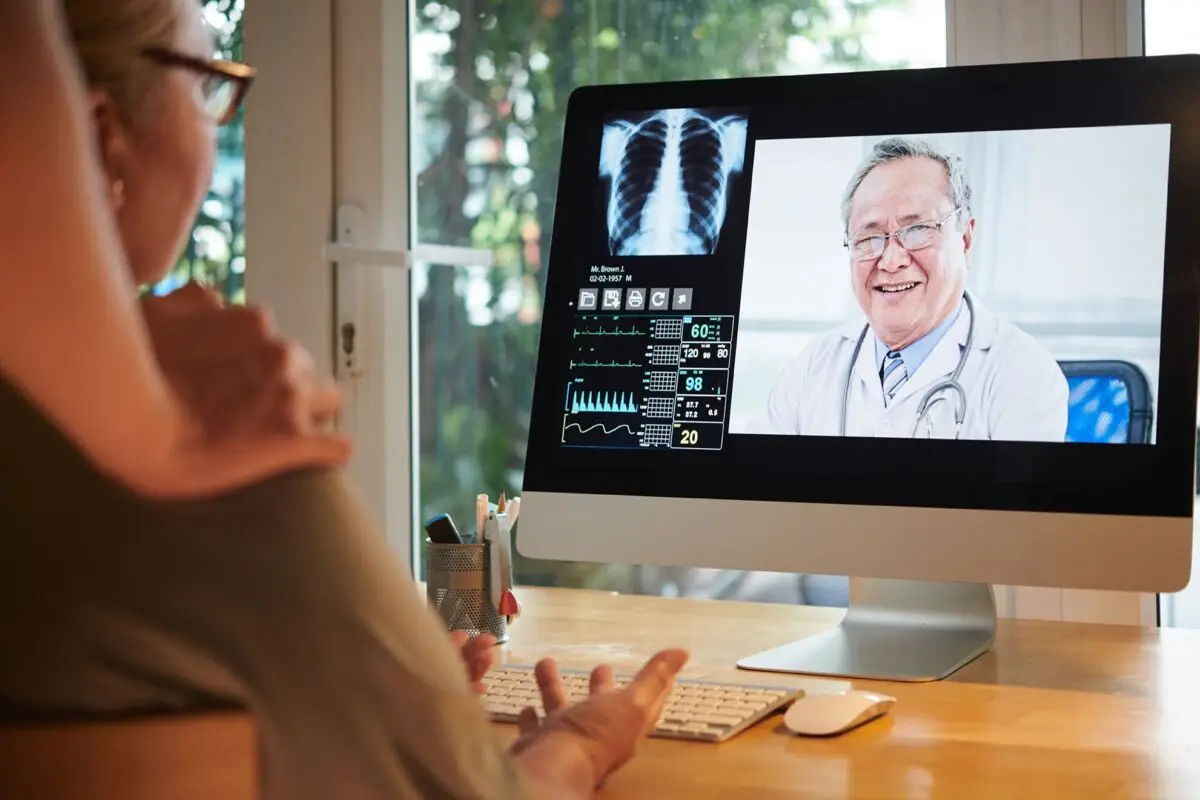
- Telehealth & Virtual Care. Telehealth is having a consultation with a healthcare provider by phone or video call for non-emergency medical consultations, follow-ups, and chronic disease management. It has been on the rise for a few years now, but the COVID-19 pandemic has accelerated its adoption. In Australia, more than 95,000 practitioners have now used telehealth services between 13 March 2020 and 31 July 2022.
- Artificial Intelligence (AI) and Machine Learning (ML). These technologies enhance clinical decision-making and operational efficiency. Specifically, AI-powered automation can streamline administrative tasks such as appointment scheduling, billing, and claim processing, while ML algorithms analyse vast healthcare data sets, providing valuable insights for resource planning, risk prediction, and treatment optimisation.
- Electronic Health Records (EHRs) and Interoperability. EHRs play a crucial role in capturing and storing patient information, promoting secure and seamless data sharing across healthcare settings. Interoperability initiatives aim to improve EHR integration, standardise data exchange, and enhance patient safety for better care coordination. This enables healthcare providers to access comprehensive patient information, make informed decisions, and deliver coordinated and patient-centric care.
- mHealth Solutions. eHealth technology encompasses a range of digital tools and mobile applications that empower patients to actively participate in their healthcare journey. Electronic health records (EHRs) and mobile health solutions make it simple for doctors to schedule appointments, track their patients’ vitals (such as blood pressure, glucose, and heart rate), and get instant feedback on any changes.
B. Precision Medicine & Customised Healthcare
Precision medicine, sometimes known as “personalised medicine,” is an innovative approach to tailoring disease prevention and treatment. Advancements in genomics, molecular diagnostics, and targeted therapies are driving the shift to a preventive rather than reactive approach. In Australia, the 2030 goal is customised healthcare for everyone through genetic screening and early intervention.
- Genomics and Genetic Testing. Patients, physicians, and researchers can use these tests to identify genetic variations and predispositions, understand more about human disease, and facilitate personalised treatment plans and disease risk assessments.
- Targeted Therapies and Precision Treatments. Understanding the patient’s genetic profile is a key step towards targeted therapies, providing individualised patient treatments that can increase treatment efficacy and minimise adverse effects, especially when it comes to cancer treatments that happen on a cellular level.
- Smart Implant and 3D Bioprinting Technology. 3D printing has revolutionised implant procedures. “We can now design replacement body parts, such as jaws, hips, knees, and spinal implants” to match the patient’s unique physiology and anatomy. These smart implants allow for a more precise fit and a quicker recovery time.
- Nanomedicine. Australia has been ahead of many of its peers in terms of nanotechnology. Nanotechnology, the manipulation of matter at the nanoscale, offers promising applications in medicine. It involves the use of nanoscale materials, devices, and techniques to precisely diagnose, treat, and prevent diseases. Key applications of nanomedicine include drug delivery systems, early-stage diagnostics, regenerative medicine, tissue engineering, and gene therapy.
C. Patient-Centric Care and Consumerism
A patient-centric care approach involves shared decision-making, patient empowerment, and fostering strong doctor-patient relationships. The shift towards patient-centric care continues to be a significant trend in the healthcare industry, as healthcare providers recognise the importance of tailoring care to individual patient needs, preferences, and values.
- Internet of Medical Things (IoMT). Healthcare IoT IoMt is an amalgamation of medical devices, hardware infrastructure, and software applications used to connect healthcare information technology. The practise of using IoMT devices such as wearables and implantable devices to remotely monitor patients in their homes is also known as telemedicine. This kind of treatment allows virtual visits and real-time remote monitoring that allow healthcare providers to make more informed decisions on patient treatment and management. The global IoMT market was worth $48.7 billion in 2022; it is expected to reach $370.9 billion between 2023 and 2032, at a compound annual growth rate of 23.15%.
D. Artificial Intelligence in Healthcare Operations
The healthcare industry generates vast amounts of data, and leveraging this data for insights is becoming increasingly important. AI can help streamline healthcare operations and administrative processes through data analytics and predictive modelling. Specifically, it can help identify disease patterns and predict patient outcomes, so healthcare providers can enhance patient care and lower expenses by using data to make more precise decisions.
- Robotic Technologies. From automating administrative tasks to assisting surgeons in complex procedures, robotics is playing a larger role in revolutionising healthcare operations so healthcare professionals can focus on delivering high-quality precision care. Robots like GERMii have demonstrated their crucial role during the pandemic, and with continued research, they could make a difference in how we respond to future disasters.
- Immersive Technologies. Immersive tech such as Virtual Reality (VR), Augmented Reality (AR), and Mixed Reality (MR) refers to technologies that extend reality by using the neuroscience of the human brain. COVID-19 has fuelled the rise of this type of technology and its applications span from surgery stimulation, supporting illnesses like dementia or depression, to healthcare skills and training education.
E. Data Privacy and Healthcare Cybersecurity
Between 2019 and 2020, the Australian healthcare sector had an 84% increase in reported cyber incidents, with 85 data breaches detected in the first half of 2021 alone. The Medibank data breach is just one of the many healthcare cyberattacks happening around the world. Thus, ensuring the privacy and security of patient data is critical as healthcare becomes more digitised. Healthcare organisations must adopt robust cybersecurity measures to protect sensitive patient information from cyber threats while complying with the Privacy Act.
- Blockchain technology. Blockchain is a distributed ledger technology and an advanced database mechanism that can be used to store and track data in a secure and transparent way. It’s a relatively recent technology that is gaining traction in the Australian healthcare industry due to its secure and efficient data sharing.
The healthcare industry is undergoing significant transformation, driven by technological advances, and shifting patient expectations. Healthcare professionals, policymakers, and patients can effectively navigate this changing landscape if they are well-informed about the industry’s major trends.
From telehealth and AI to patient-centric care and digital transformation, these trends have the potential to reshape healthcare delivery and improve patient outcomes in 2023 and beyond. Embracing these trends and leveraging innovative solutions will pave the way for a healthcare system that is more efficient, accessible, and patient-centric.
The Bottom Line
These healthcare trends barely scratch the surface of the current trends and emerging applications in the healthcare industry. The bottom line is that healthcare is undergoing a profound transformation as technology continues to evolve. Telehealth, artificial intelligence, interoperability, and eHealth technology are just a few of the significant trends reshaping the healthcare ecosystem and enhancing patient care.
These key trends specifically improve the efficiency and effectiveness of healthcare delivery through real-time consultation and examination, as well as the collection and analysis of patient data, remote monitoring, and the management of chronic conditions.
Understanding the current state and emerging healthcare technology trends will help you improve the decisions you make regarding your health. Healthcare organisations can enhance efficiency, deliver personalised patient care, and improve patient outcomes by embracing these advancements. However, businesses will have the chance to adopt these latest technologies and invest in the relevant categories to guarantee.
The future looks bright for technology in the healthcare industry! Ask Hexicor today and speak with a healthcare technology expert about real-life application of future trends in healthcare technology and other topics.
Related Posts:
- EHealth Technology Solutions
- Advantages of ehealth technology
- Communication & technology in Healthcare
- Health care solutions – What to consider
- What healthcare solutions are available?
- What a good Nurse Call system looks like
- What can mobile healthcare services do?
- The Benefits of Telehealth Video Conferencing
Frequently Asked Questions
How can artificial intelligence improve patient outcomes?
- AI has the potential to improve patient outcomes by analysing massive amounts of patient data to reveal patterns, anticipate therapy responses, and aid healthcare professionals in making correct diagnosis and treatment decisions.
What are the benefits of interoperability in healthcare?
- By removing barriers to information sharing, interoperability improves care coordination, cuts down on unnecessary tests and procedures, and boosts patient safety.
How can patients benefit from eHealth technology?
- eHealth technology empowers patients by providing them with easy access to health information, tools for self-management, and support for healthy lifestyle choices, leading to improved patient engagement and better health outcomes.
What steps are being taken to ensure the ethical use of AI in healthcare?
- In addition to bias, impartiality, and patient consent, regulatory bodies and healthcare organisations are actively developing guidelines and ethical frameworks to ensure the responsible and transparent use of AI in healthcare.
How can healthcare organisations embrace these technology trends effectively?
- Organisations should prioritise staff training, invest in secure and scalable infrastructure, cultivate a culture of innovation, and collaborate with technology partners and experts in order to effectively adopt healthcare technology trends.