

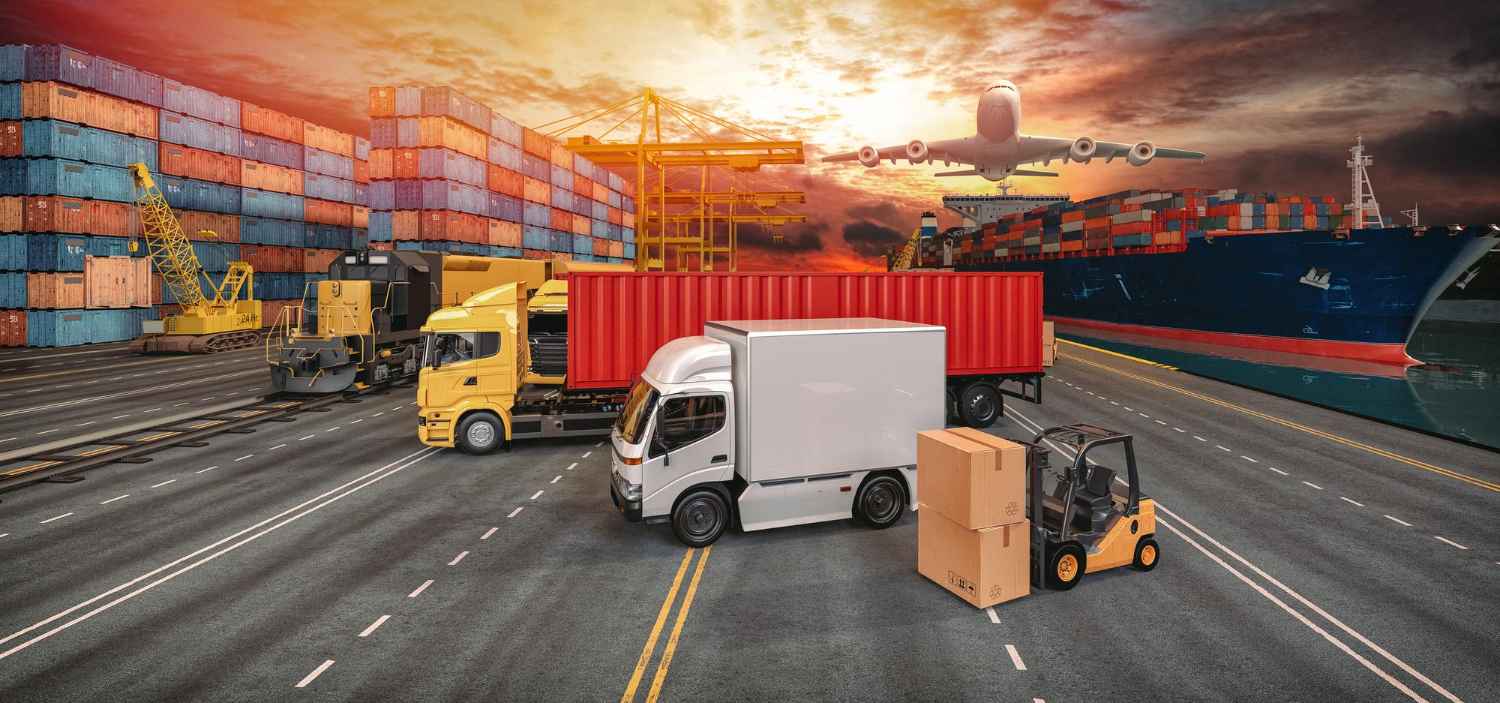
The road freight transport industry in Australia is a vital cog of the country’s economy, and it’s an exciting space to consider for a career. But before you grab the keys, let’s take a beginner’s tour of this dynamic landscape.
If you are interested in learning more about fleet management, this article is a great place to start. It will equip you with the basics, providing insights into industry trends, fleet management essentials, and exciting opportunities for those considering a career in the fleet management industry.
The Road Ahead: Australia’s 2024 Fleet Industry Outlook
With a current valuation of over $65 billion, the road freight sector in Australia is expected to experience steady growth in the coming years. Factors such as e-commerce, infrastructure development, and increasing trade with Asia fuel this growth. Australia is also seeing a steady rise in the demand for plug-in hybrid electric vehicles as a result of both rising eco-conscious consumer base and government incentives. However, fleet challenges like fuel price fluctuations, driver shortages, and stricter regulations demand innovative solutions. Several factors drive this growth, and key trends will likely impact the industry in 2024.
Understanding the Importance of Road Freight Transport
Road freight transport serves as the backbone of Australia’s logistics network, enabling the efficient movement of goods to domestic and international markets. With an expansive road infrastructure spanning diverse terrains, this mode of transportation plays a crucial role in supporting various industries, including manufacturing, retail, and agriculture.

The Big Picture: Trends Shaping the Road Freight Industry
- Changing Consumer Preferences: Fleet industry dynamics are shaped by changing consumer preferences. From last-mile delivery services to ride-sharing platforms, fleets must adapt to meet the changing demands of consumers.
- Skills Shortage: Finding and retaining truck drivers and logistics professionals remains a major challenge. An ageing population and shifting career preferences among younger generations cause skills shortages. Experts expect innovation in recruitment, training, and working conditions. On the contrary, be prepared for increased competition for talent and rising driver costs.
- Fluctuating Freight Rates: Road freight services are in more demand due to the increasing domestic freight task, but higher oil prices have reduced profit margins and increased revenue volatility. Be prepared for a competitive market. While the recessionary fears of 2023 seem to be fading, expect continued fluctuations in freight demand, with potential overcapacity in some segments.
- Tighter Cybersecurity Measures: The digitisation of fleet operations make cybersecurity a major issue in 2024. Telematics and IoT technologies connect fleets, making them vulnerable to cyberattacks.
- Mobility as a Service (MaaS) Market Growth: The concept of MaaS is gaining traction in 2024, offering a seamless and integrated approach to transportation. By unifying options into one seamless platform, MaaS promises convenience and efficiency for consumers. Fleets can take part in the emerging model and expand their service offerings as it evolves.
- Fostering Strategic Partnerships: From fleet management software providers to vehicle manufacturers, industry partnerships can enhance efficiency and innovation. Data strategy advisors help fleets capitalise on mutual opportunities and address shared problems.
- Tech Innovation: Telematics and predictive analytics are revolutionising how fleets operate, impacting everything from route optimisation and fuel efficiency to driver management and overall fleet performance.
- Sustainability Solutions: Environmental concerns and consumer demands are driving the adoption of electric trucks and pushing the industry towards a growing emphasis on adopting eco-friendly practices. From electric vehicles to alternative fuels, fleet operators are exploring innovative solutions to reduce carbon footprints.
Sources:
- IBISWorld: Road Freight Transport in Australia – Market Size, Industry Analysis, Trends and Forecasts (2024-2029)
- Mordor Intelligence: Australia Road Freight Transport Market Size & Share Analysis – Growth Trends & Forecasts Up To 2028
- Markwide Research: Australia Road Freight Transport Market Analysis – Industry Size, Research Report, Insights, COVID-19Impact, Statistics, Trends, Growth and Forecasts 2024-2032
Additional Resources:
- Australian Trucking Association: https://www.truck.net.au/public/australian-trucking-association
- National Road Transport Commission: https://www.ntc.gov.au/
- Logistics Australia: https://austlogistics.com.au/
- The Bureau of Infrastructure and Transport Research Economics (BITRE): https://www.bitre.gov.au/
2024 Fleet Industry Outlook Highlights
- Unit sales of commercial vehicles are projected to reach $292.00k in 2024.
- By 2028, the projected market volume is expected to reach 304.90k, with unit sales demonstrating an annual growth rate (CAGR 2024-2028) of 1.09%.
- Experts project that the production of commercial vehicles will reach 13.40k in 2028, indicating growth potential in the commercial vehicle market.
- The United States is projected to achieve the highest sales volume of 11,590.00k in 2024.
- Truck sales are expected to reach 155.30k in 2024.
- The projected compound annual growth rate (CAGR) for unit sales from 2024 to 2028 is 0.98%, which should translate to a market volume of 161.50k by 2028.
- Truck production is projected to reach 10.24k by 2028, demonstrating the market’s potential for substantial expansion.
- International projections indicate that China will generate the most revenue (1,940.00k) in 2024.
(Sources: Market Insights on Australia’s Commercial Vehicles and Trucks, Statistica.com)
Fleet Management Essentials and Supply Chain Resilience
Embarking on your fleet management journey calls for more than just strong organisational skills, analytical thinking, and excellent communication. While familiarity with logistics principles and regulations is a plus and can be learned along the way, there are some prerequisites. So for those drawn to the challenge, a rewarding career in fleet management awaits.
Now, let’s briefly delve into the nuts and bolts of fleet management:
- Vehicle Selection and Maintenance: Understanding vehicle types, fuel efficiency, and maintenance schedules is crucial for cost control and safety.
- Route Optimisation: Planning efficient routes minimises fuel consumption, driver fatigue, and delivery times. Technology plays a vital role here!
- Compliance: Staying abreast of regulations and ensuring driver compliance with safety standards is paramount.
- Data Analytics: Utilising data insights to optimise operations, track performance, and make informed decisions is key to success.
Looking ahead to 2024 and beyond, the fleet industry’s future is filled with uncertainty but also with the hope of great things to come. Innovations in technology, new regulations, and changing customer demands are the primary forces causing significant transformation in Australia’s road freight transport industry.
But given the rising complexity of global trade networks, particularly in light of global disruptions and geopolitical uncertainties, road freight transport businesses must prioritise supply chain resilience. By enhancing supply chain visibility and transparency, businesses can better anticipate and mitigate potential disruptions, ensuring an uninterrupted movement of goods even in challenging circumstances.
Your next steps… Navigating the Road Ahead with Ubivio
Australia’s road freight industry is on an exciting journey, embracing technological advancements and sustainability initiatives. With the right preparation and a passion for logistics, you can navigate this dynamic sector and contribute to Australia’s economic growth. If you’re ready to be part of this dynamic sector and contribute to its growth, the time to start your engine is now!
By embracing sustainability, innovation, collaboration, and supply chain resilience, industry stakeholders can navigate challenges and capitalise on opportunities for growth and innovation in the years ahead. And with strategic planning and adaptation, your fleet can certainly navigate the road ahead with confidence and success.
Explore industry associations, research training programmes, and connect with industry experts like Ubivio. The open road awaits! Contact Hexicor today. For personalised consultation and in-depth insights tailored to your fleet management needs and challenges, visit Hexicor services.
Frequently Asked Questions about Fleet Industry in 2024
Which key trends will influence the fleet industry in 2024?
- In 2024, the fleet industry is expected to be impacted by significant trends such as technology innovation, sustainability initiatives, regulatory changes, and the rise of autonomous vehicles.
What are the main challenges facing the road freight transport sector in Australia?
- Regulatory compliance, skill shortages, and supply chain interruptions are just a few of the issues that the road freight transport business in Australia is facing. Industry players must lead and use technology to overcome these challenges.
How important is data-driven decision-making in fleet management?
- Fleet management requires data-driven decision-making to optimise operations and make proactive decisions about vehicle performance, maintenance, and efficiency.
What measures can fleet operators take to enhance driver safety and well-being?
- Fleet operators can promote a healthier work environment for their drivers by instituting wellness programmes, tracking drivers’ sleep cycles, and encouraging a positive company culture.
Why is fleet cybersecurity a growing concern?
- As fleets become more digital, cyber attacks increase, raising cybersecurity concerns. Strengthening cybersecurity is necessary to protect data and assets.
How can strategic collaborations help fleets?
- Fleets can benefit from strategic partnerships by leveraging the strengths of industry stakeholders to enhance operational efficiency, drive innovation, and address shared challenges.
What role do diversity and inclusion play in the success of fleet management?
- Diversity and inclusion significantly influence the success of fleet management, cultivating an inclusive culture, stimulating innovation and creativity, and providing access to a vast array of experiences and perspectives.